
Ekhbary News Agency | May 15, 2024
The manipulation of history forms a cornerstone of Vladimir Putin's ideology, a tactic starkly evident in his justification for the invasion of Ukraine. He repeatedly cites alleged Western deception and historical grievances to bolster his narrative, while systematically rewriting Russia's past. This weaponization of history presents a complex challenge, particularly for nations grappling with their own historical burdens.
Germany's Historical Reckoning
Rüdiger von Fritsch, Germany's former ambassador to Moscow, offers a unique perspective on this phenomenon, having witnessed Putin's historical politicking firsthand. Von Fritsch, who also authored "Die Geschichte in mir" (The History in Me), has publicly confronted his own family's past; his father joined the Nazi party early, participating in the German occupation of Lithuania and maintaining his convictions until his death. This personal journey deeply influenced von Fritsch's diplomatic career in Poland and Russia, highlighting the profound impact of unresolved history on national and international relations.
Read Also
- PlayStation to Pay $7.85 Million in Class-Action Lawsuit Settlement
- Gal Gadot Reveals Confusion Over Wonder Woman 3 Cancellation
- AMC Theaters Launches Leawood Films, Eyes Independent Movie Distribution
- Duane Davis Convicted of Tupac Shakur's 1996 Murder After Decades-Long Investigation
- IGN Australia, Chupa Chups Announce Retro Gaming Fun House Event
The Weight of Unprocessed History
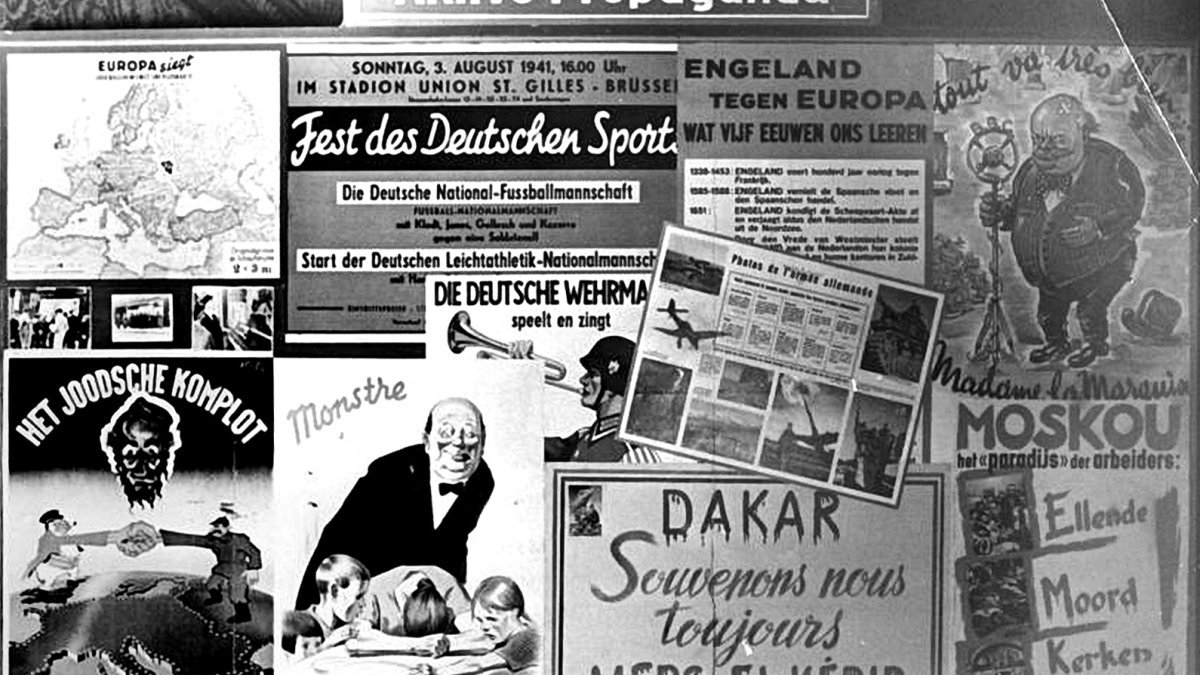
The Ostcast, hosted by Alice Bota and Michael Thumann, recently delved into Germany's post-World War II struggle with its past, featuring von Fritsch. They explored the critical question of national responsibility and historical guilt concerning Russia, Ukraine, and Belarus. For what it's worth, the discussion emphasized how a failure to process history can leave societies vulnerable to propaganda, as seen with Putin's attempts to destabilize German public opinion. The ongoing debate underscores the critical need for nations to confront their historical truths, especially when past narratives are weaponized for present-day aggression.