
International — Ekhbary News Agency
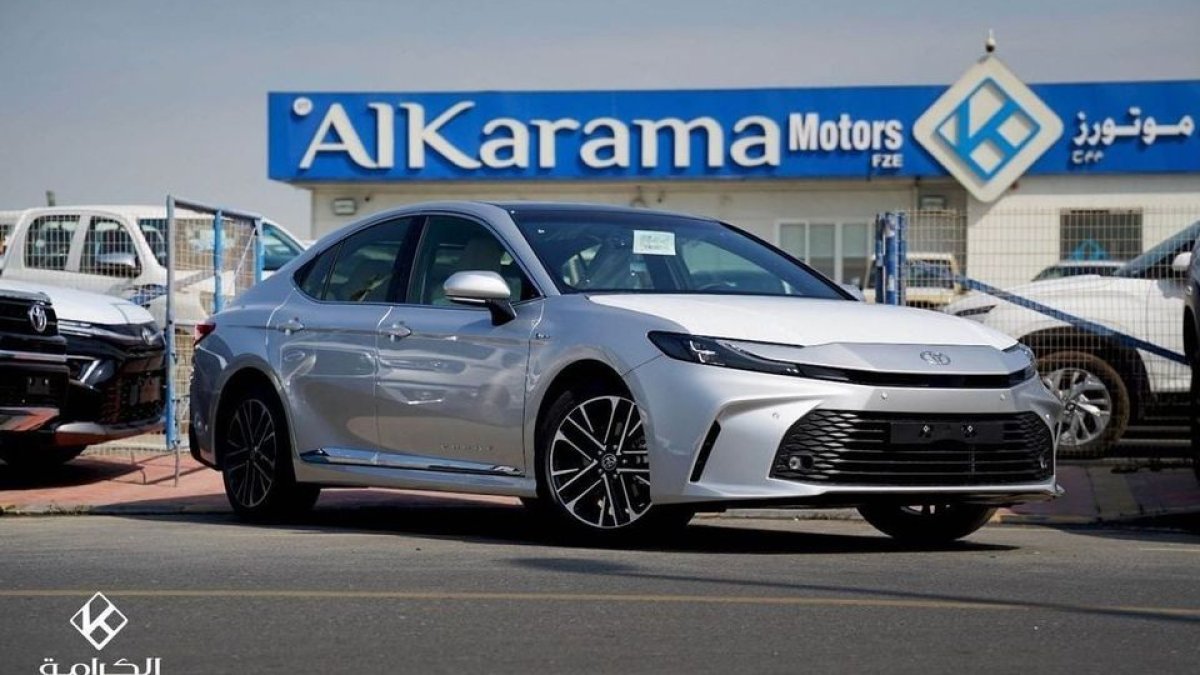
The burgeoning electric vehicle market compels many consumers to ponder a significant question: whether to purchase an EV outright or opt for a leasing arrangement. This decision carries considerable weight, impacting personal finances and long-term mobility plans. For what it's worth, understanding the nuances of each option is crucial before committing.
Financial Implications and Flexibility
Buying an electric car typically involves a substantial upfront investment, yet it offers full ownership and potential resale value. Leasing, conversely, often features lower monthly payments and greater flexibility to upgrade to newer models. Depreciation, maintenance costs, and insurance premiums also vary between these two approaches, demanding careful consideration from prospective EV owners.
Read Also
- PlayStation to Pay $7.85 Million in Class-Action Lawsuit Settlement
- Gal Gadot Reveals Confusion Over Wonder Woman 3 Cancellation
- AMC Theaters Launches Leawood Films, Eyes Independent Movie Distribution
- Duane Davis Convicted of Tupac Shakur's 1996 Murder After Decades-Long Investigation
- IGN Australia, Chupa Chups Announce Retro Gaming Fun House Event
Market Trends and Future Value
The rapid technological advancements in the EV sector mean that models can evolve quickly. This dynamic environment influences both the long-term value of a purchased vehicle and the appeal of leasing, which allows drivers to avoid being tied to rapidly obsolescing technology. Ultimately, the best path depends on individual financial situations and driving habits.