Global — Ekhbary News Agency
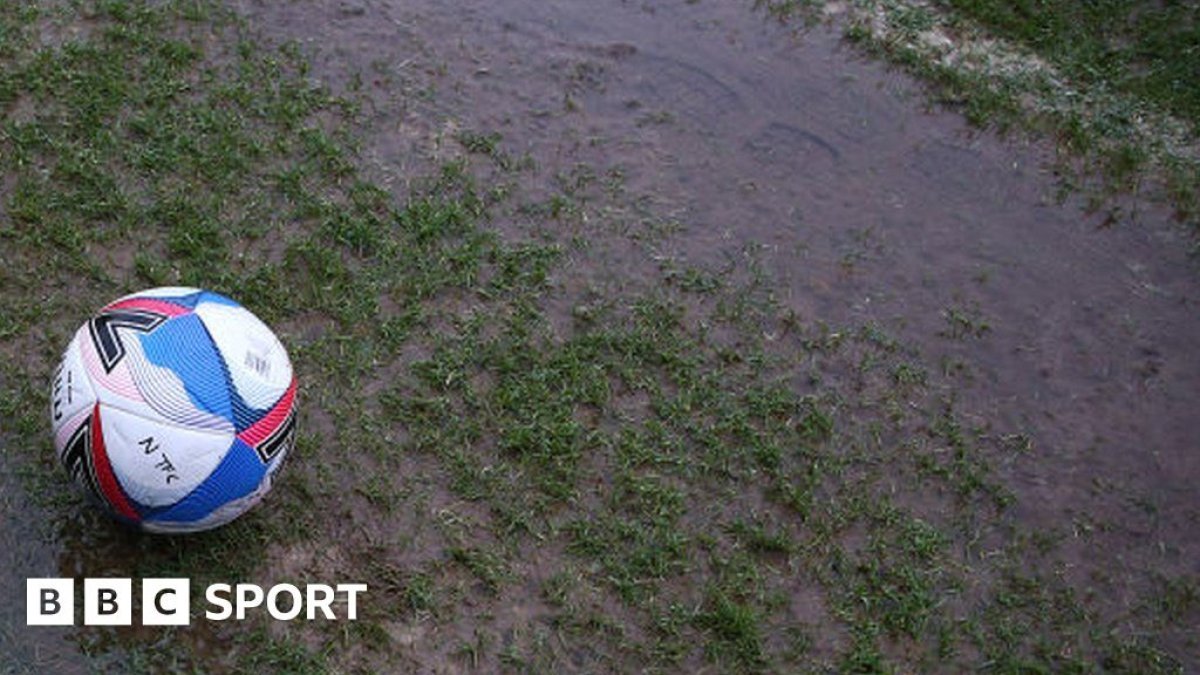
The climate crisis is undeniably impacting global football, as a recent Guardian analysis reveals. Nearly one in five matches during this year’s World Cup were contested under heat and humidity conditions that a prominent players’ union, Fifpro, previously advised should trigger delays or outright postponements. This stark finding highlights a critical challenge for the sport's future.
Hazardous Conditions and Player Welfare
Specifically, an estimated 20 matches experienced wet bulb globe temperatures (WBGT) at or exceeding 28C (82F), a threshold Fifpro considers unsafe for player health. An additional 23 games took place in cities reaching these levels, though stadium air conditioning offered some mitigation. Simon Stiell, executive secretary for the United Nations climate body, remarked, "The climate crisis is hitting the things we all need... as well as the things we love, like football." This situation, for what it's worth, demands serious reevaluation of scheduling.
Read Also
- Trump Administration Imposes New Tariffs on Brazil Over Unfair Trade
- U.S. Diesel Prices Soar Again to $5 a Gallon Amid Persian Gulf Conflict
- UK Government Nationalizes British Steel Amid Buyer Search Failure
- Anthropic Accelerates Preparations for Anticipated Mega-IPO
- Strait of Hormuz Tanker Traffic Plunges Amid US Naval Blockade
Future Tournaments Under Scrutiny
Experts are now questioning the long-term viability of playing major tournaments in increasingly extreme conditions. Joshua L DeVincenzo from Columbia University's National Center for Disaster Preparedness described the 2026 Fifa World Cup matches as a "true stress test" for heat mitigation. He emphasized the need for precautions extending beyond players to spectators, volunteers, and staff. While Fifa did not comment on the analysis, the organization has previously stated it stations meteorologists at venues and coordinates closely with host cities to manage extreme weather, providing mandatory hydration breaks and cooling measures for players. Wildfire smoke, as seen in the US heatwave, presents another escalating concern for air quality.