
Washington, USA — Ekhbary News Agency
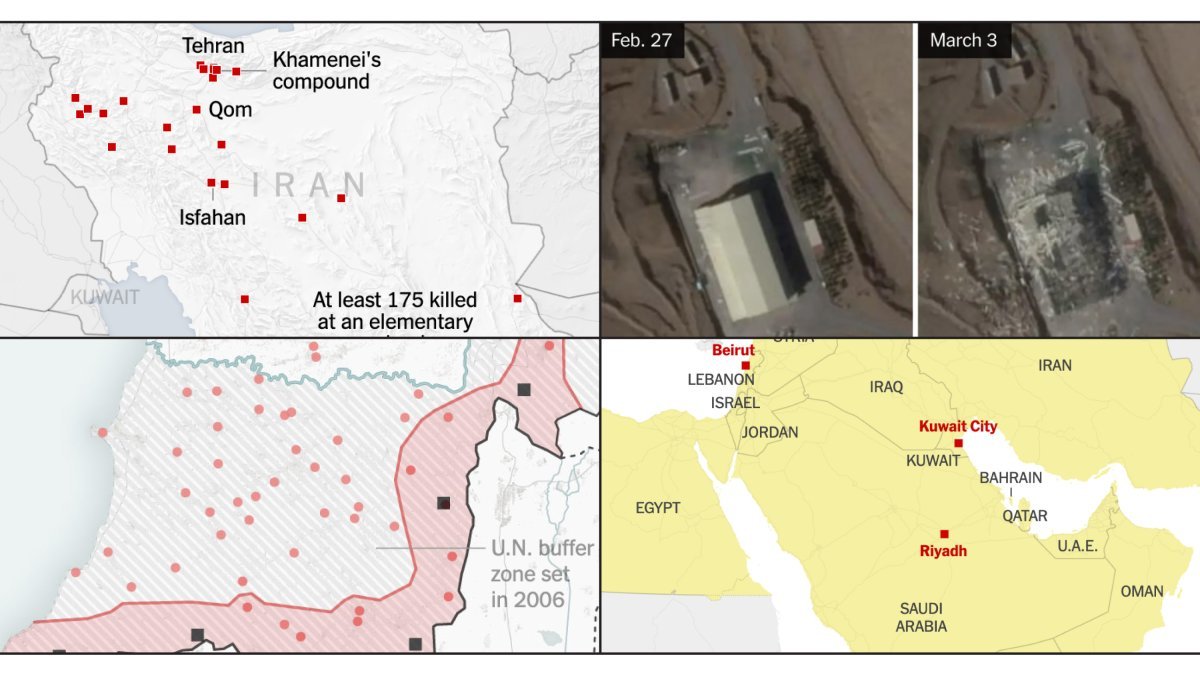
President Donald Trump formally informed Congress last week that military action against Iran has restarted, marking the end of a ceasefire that had been in place for months. This pivotal announcement, detailed in a letter dated July 10 and obtained by CBS News on Monday, confirms that operations "commenced on July 7." The President had previously declared the U.S.-Iran ceasefire "over," subsequently ordering several rounds of strikes on Iranian targets.
Escalation in the Strait of Hormuz
These renewed strikes followed Iranian attacks on commercial vessels in the Strait of Hormuz. Iranian authorities, for their part, have consistently asserted that ships must seek permission and use an Iranian-approved route for transit, responding to U.S. actions by launching missiles and drones at U.S.-allied Gulf states. Furthermore, Trump announced the immediate reimposition of a blockade on Iranian ports and vessels. The administration described the recent strikes as "limited, measured, planned, and executed in a manner designed to minimize civilian casualties," aiming to neutralize Iranian military sites posing threats to U.S. forces and commercial shipping.
Read Also
- Trump Administration Imposes New Tariffs on Brazil Over Unfair Trade
- U.S. Diesel Prices Soar Again to $5 a Gallon Amid Persian Gulf Conflict
- UK Government Nationalizes British Steel Amid Buyer Search Failure
- Anthropic Accelerates Preparations for Anticipated Mega-IPO
- Strait of Hormuz Tanker Traffic Plunges Amid US Naval Blockade
War Powers Resolution Under Scrutiny
Under the 1973 War Powers Resolution, the President must notify Congress within 48 hours of initiating military hostilities. While an initial notification was sent when the U.S.-Iran war began in February, the administration had previously maintained that hostilities ended with the April ceasefire. However, Iran's alleged attacks on three oil tankers last week, it appears, violated a key provision of a recently signed memorandum of understanding, compelling the U.S. to act. Lawmakers in both the House and Senate last month passed resolutions seeking to curb the President's unilateral military authority against Iran, reflecting deep divisions over the constitutional limits of executive power in conflict. Some Republicans, however, suggested more time for diplomatic efforts. This situation underscores the ongoing tension between executive authority and legislative oversight in foreign policy decisions.