Yemen — Ekhbary News Agency
Tensions are escalating over the Bab el-Mandeb Strait, a vital maritime chokepoint, as Houthi and Iranian officials issue fresh threats. This comes amid a backdrop of renewed U.S.-Iran skirmishes concerning the Strait of Hormuz, raising global economic alarms.
Threats to Global Shipping Lanes
Iran's Islamic Revolutionary Guard Corps (IRGC) declared on Wednesday its potential to target "all other export corridors that benefit the U.S. and its allies." This warning directly responds to the U.S. re-imposing its naval blockade in the Strait of Hormuz. "Regional energy exports are either shared by all, or denied to all," the IRGC's statement, carried by state-run IRNA, underscored. Separately, Houthi officials in Yemen, following an alleged Saudi airstrike on Sana’a airport, launched missiles at Saudi Arabia and threatened to disrupt global trade through the Bab el-Mandeb. One senior Houthi official warned of a "dreadful shock" with oil prices potentially soaring to $200 a barrel if both Bab el-Mandeb and Hormuz were closed in an "operational alliance." Experts note that while Houthis have their own local interests, their actions often align with Iranian pressure tactics in the Red Sea gateway, particularly during heightened regional tensions.
Read Also
- Global Oil Market Faces Intensifying Supply Crunch Amid Russian, Iranian Pressures
- Financial Adviser's Basic Knowledge Gap Raises Client Professionalism Concerns
- IRS Tax Liens Surge 36% Since 2022, Threatening US Taxpayers
- US States Intensify Competition for Skilled Workforce Amid Economic Shifts
- Senator Rounds Praises Fed Chair Warsh's Inflation Focus, Independence Stance
Strategic Importance and Past Disruptions
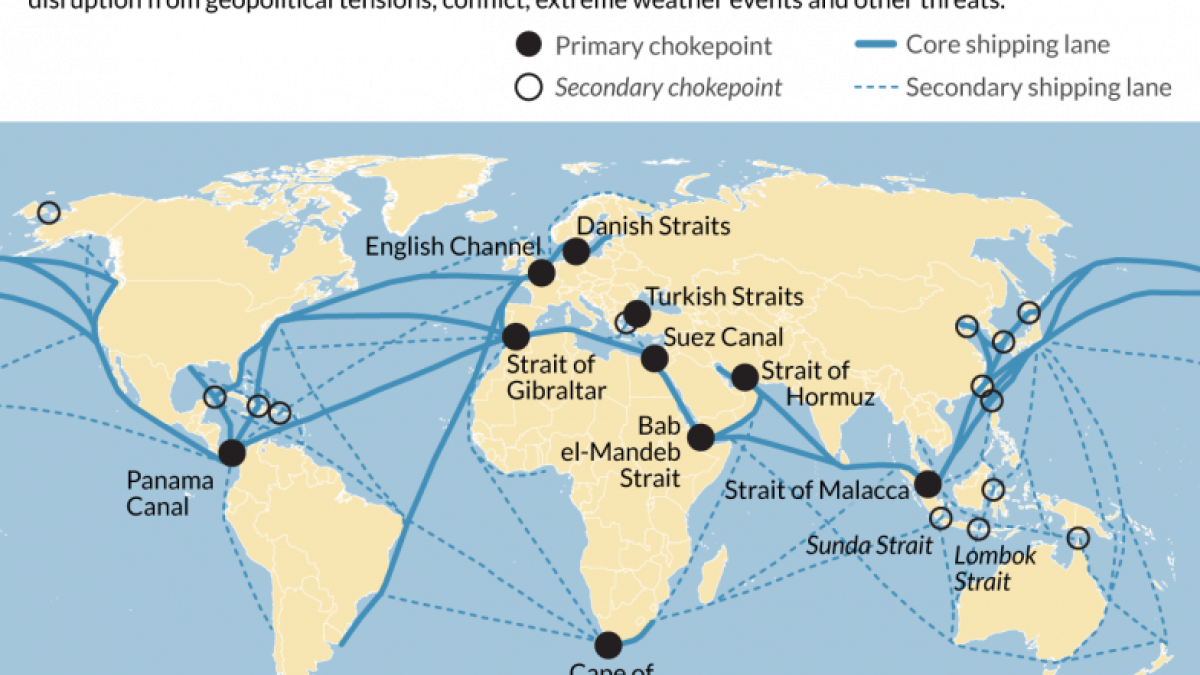
Connecting the Red Sea to the Gulf of Aden and the Arabian Sea, the Bab el-Mandeb Strait is just 18 miles wide at its narrowest point. It functions as a crucial transit route for oil shipments from the Persian Gulf, through the Suez Canal, to Europe and other global markets. Noam Raydan, a senior fellow at The Washington Institute for Near East Policy, highlighted its increased importance, especially as Saudi Arabia rerouted some oil volumes via a Red Sea pipeline. In November 2023, Houthi militias began targeting commercial vessels in the Red Sea, citing solidarity with the Palestinian cause. This significantly impacted crude oil and petroleum liquid transits, which plummeted from 9.3 million barrels per day in 2023 to 4.1 million in 2024, according to the U.S. Energy Information Administration (EIA). Despite a reported pause after the October 2025 Israel-Hamas ceasefire, the Houthis threatened in June to resume targeting Israeli-linked ships, for what it's worth, indicating persistent volatility in the region. Transit via the Red Sea has, surprisingly, seen an increase this year, as cargo companies seek alternatives to the Strait of Hormuz.