
Washington, D.C. — Ekhbary News Agency
The Trump administration has ceased critical federal research into the foodborne parasite Cyclospora, a decision made amidst the largest recorded nationwide outbreak of the diarrheal pathogen. Politico reported that two of the three primary research programs at the U.S. Department of Agriculture (USDA) dedicated to Cyclospora have lost their funding. Furthermore, the third program is on the verge of losing all its dedicated scientists, a move that, for what it's worth, raises serious questions about public health priorities.
Research Relocation Sparks Expert Exodus
The USDA’s Beltsville Agricultural Research Center near Washington, D.C., is being shut down by the administration, with its operations slated for relocation to Iowa. This includes the remaining Cyclospora research. However, internal sources informed Politico that none of the scientists currently working on the project intend to relocate from Maryland to Iowa. Instead, they are opting for retirement, reassignment to other projects, or departing USDA research services entirely. This exodus is projected to create a "big knowledge gap," as one USDA employee stated, leaving the agency without parasitologists focused on this challenging pathogen.
Read Also
- Bitcoin's $80,000 Rally: Analysts Pinpoint Critical Price Levels to Watch
- Global Debt Interest Rates Soar to New Highs Ahead of Central Bank Meetings
- Ibex 35 Retreats Below 20,000 Amid Rising Inflation and Rate Hike Fears
- Trade Republic Expands Spanish Investment Offerings with Local Fund Managers
- Global Bond Sell-Off Deepens: Inflation Fears Drive Yields to Multi-Year Highs
Record Outbreak Underscores Research Importance
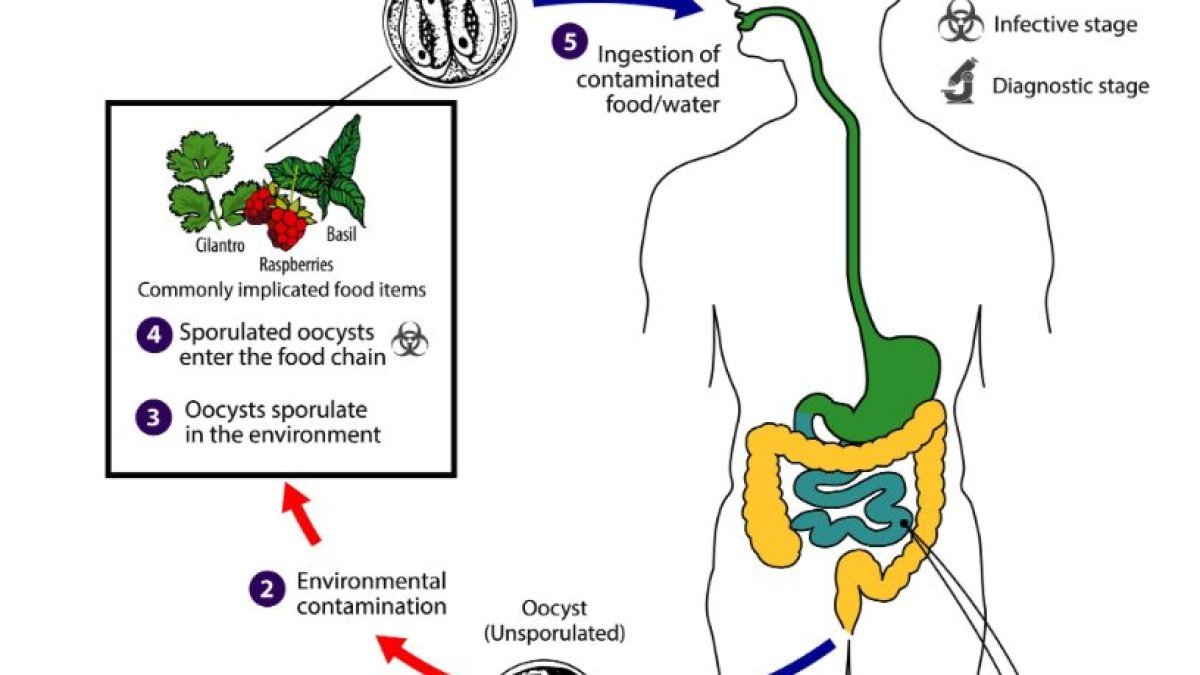
The United States is currently grappling with its most extensive Cyclospora outbreak to date. The Centers for Disease Control and Prevention (CDC) has documented nearly 30,000 confirmed and probable cases this summer, leading to at least 922 hospitalizations and two fatalities. While the U.S. typically reports between 2,000 and 5,000 cases annually since 2018, this year's surge presented a unique opportunity for researchers to deepen their understanding of the parasite. Cyclospora is notoriously difficult to study in laboratory settings due to its unique reproductive cycle within the human gut, making genetic tracing particularly complex compared to other foodborne bacteria. Experts warn that the disruption to this specialized research will be incredibly challenging to overcome, given the scarcity of global expertise in this field.