Middle East — Ekhbary News Agency
Global oil prices surged this Tuesday as traders assessed the escalating military tensions between the United States and Iran, following a series of reciprocal strikes and a recent incident in the Strait of Hormuz. Brent crude futures, the international benchmark, climbed 2.2% to $92.49 a barrel, while U.S. West Texas Intermediate futures gained 2.7% to $88.05 per barrel. Indeed, the situation remains precarious.
Renewed Hostilities and Tanker Incident
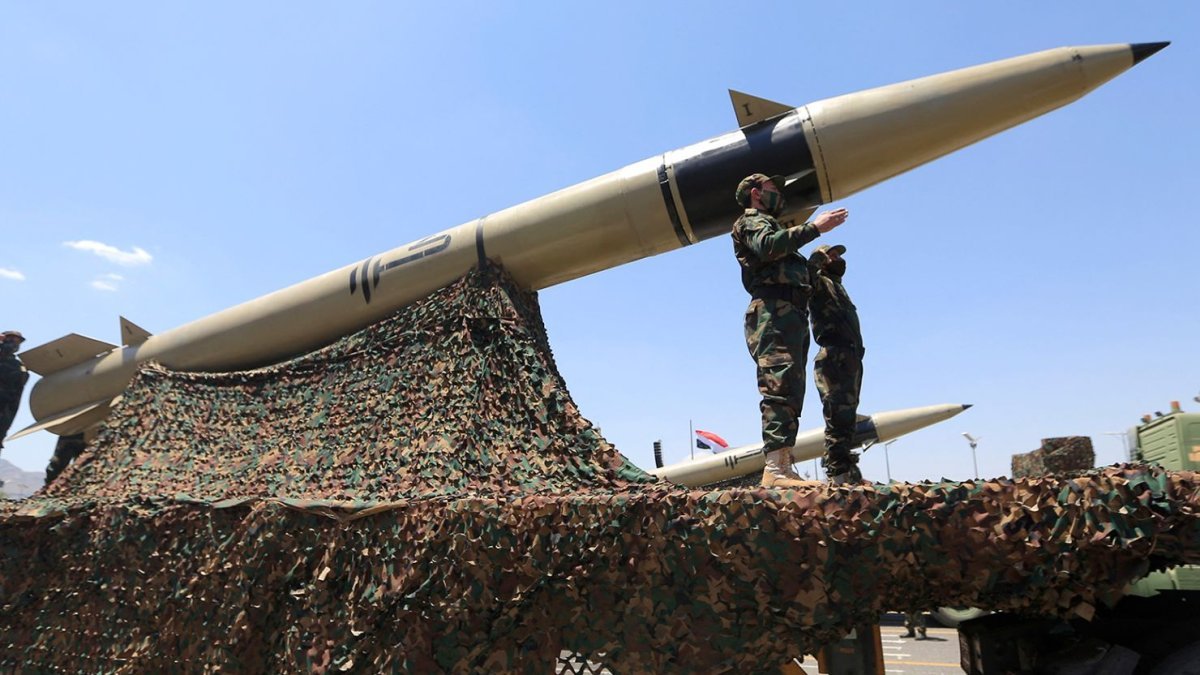
A tanker transiting the critical Strait of Hormuz on Monday was reportedly struck by three unknown projectiles, according to an incident report from the U.K. Maritime Trade Operations Centre. This development coincided with a significant uptick in military exchanges: Iran launched an attack on two American bases in Jordan, retaliating for a U.S. strike on its Larak Island. American forces had targeted two Iranian rocket launchers on Sunday, reportedly killing three individuals, asserting Tehran's intent to deploy sea mines in the strait. This small island holds vital strategic importance for Iranian control over maritime traffic.
Read Also
- Bitcoin's $80,000 Rally: Analysts Pinpoint Critical Price Levels to Watch
- Global Debt Interest Rates Soar to New Highs Ahead of Central Bank Meetings
- Ibex 35 Retreats Below 20,000 Amid Rising Inflation and Rate Hike Fears
- Trade Republic Expands Spanish Investment Offerings with Local Fund Managers
- Global Bond Sell-Off Deepens: Inflation Fears Drive Yields to Multi-Year Highs
International Reactions and Economic Pressure
Iranian President Masoud Pezeshkian, speaking at the Shanghai Cooperation Organisation Summit, declared Tehran would reciprocate immediately if Washington honored its commitments under the interim deal from June, as per the Iranian Student News Agency. President Donald Trump, in a stark warning to Fox News, asserted, "We are going to hit them hard," promising a robust response to Iran's attacks. Analysts, including Ali Vaez of the International Crisis Group, view the U.S. strike on Larak Island as a tactical move to break a stalemate rather than a broader strategic shift. Washington continues to intensify economic pressure through "secondary sanctions," which U.S. Treasury Secretary Scott Bessent indicated were causing Iran to "lash out kinetically." The protracted conflict, now in its seventh month, has profoundly disrupted global energy supplies and financial markets, highlighting a fundamental endurance contest, according to Jason Brodsky of United Against Nuclear Iran.