Washington, D.C. — Ekhbary News Agency
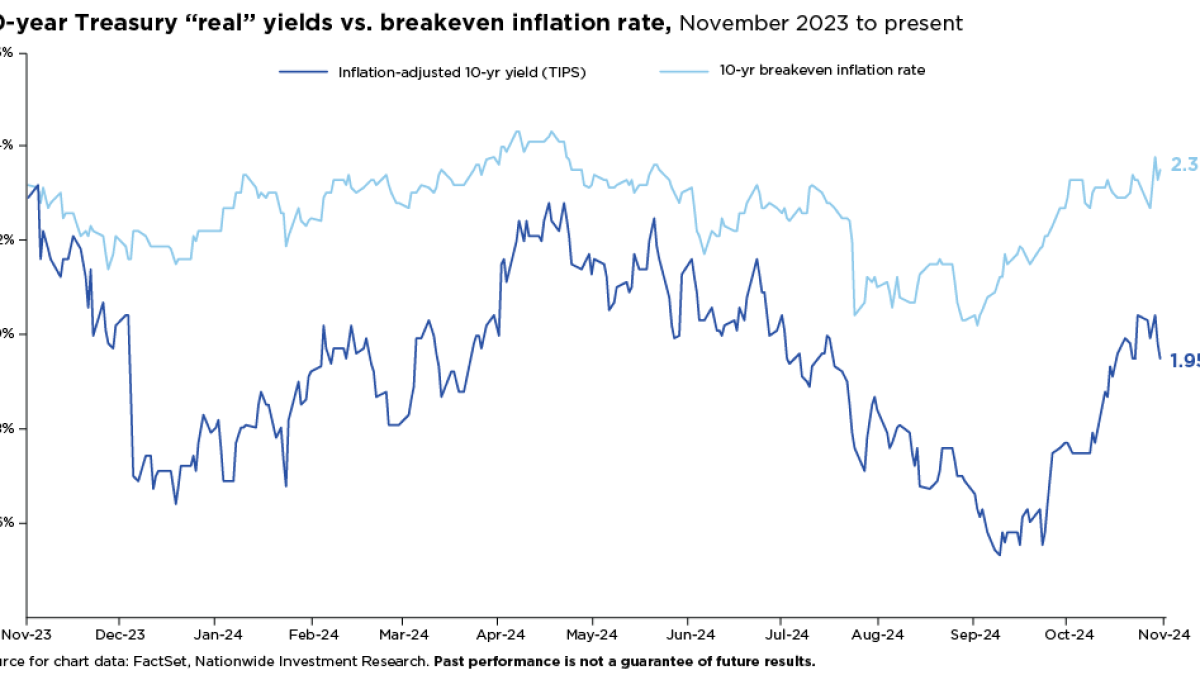
US Treasury yields experienced minor fluctuations on Tuesday, yet global government borrowing costs reached their highest levels since early last year, a direct consequence of escalating tensions in the Middle East. The benchmark 10-year Treasury note yield, which influences mortgages and other consumer loans, rose less than one basis point to 4.766%, touching a peak not seen since January 14, 2025. This movement underscores persistent inflation concerns within financial markets.
Geopolitical Events Impact Bond Market
The longer-dated 30-year Treasury bond yield, often a barometer for geopolitical developments, saw a marginal decline of less than one basis point, settling at 5.241%. Conversely, the 2-year Treasury note yield, closely tied to Federal Reserve interest rate decisions, climbed over one basis point to 4.369%. These shifts occurred as traders continued to assess the unfolding situation in the Middle East, including recent US strikes against Iran and a tanker incident off Oman.
Read Also
- Bitcoin's $80,000 Rally: Analysts Pinpoint Critical Price Levels to Watch
- Global Debt Interest Rates Soar to New Highs Ahead of Central Bank Meetings
- Ibex 35 Retreats Below 20,000 Amid Rising Inflation and Rate Hike Fears
- Trade Republic Expands Spanish Investment Offerings with Local Fund Managers
- Global Bond Sell-Off Deepens: Inflation Fears Drive Yields to Multi-Year Highs
Oil Price Surge and Economic Indicators
The geopolitical escalation directly propelled oil prices upwards. West Texas Intermediate futures gained 3%, surpassing $88 per barrel, while Brent crude, the international benchmark, advanced more than 2% to over $92. Ulrike Hoffmann-Burchardi, UBS chief investment officer of the Americas, noted that "yield volatility is likely to persist in the near term" given the ongoing conflict and its inflationary pressures. Investors are also watching the G20 finance ministers' meeting and upcoming economic data, including Friday's nonfarm payrolls figures, for what it's worth. The August ISM Manufacturing Index, for instance, fell to 54.6, slightly below economists' expectations.