Iran — Ekhbary News Agency
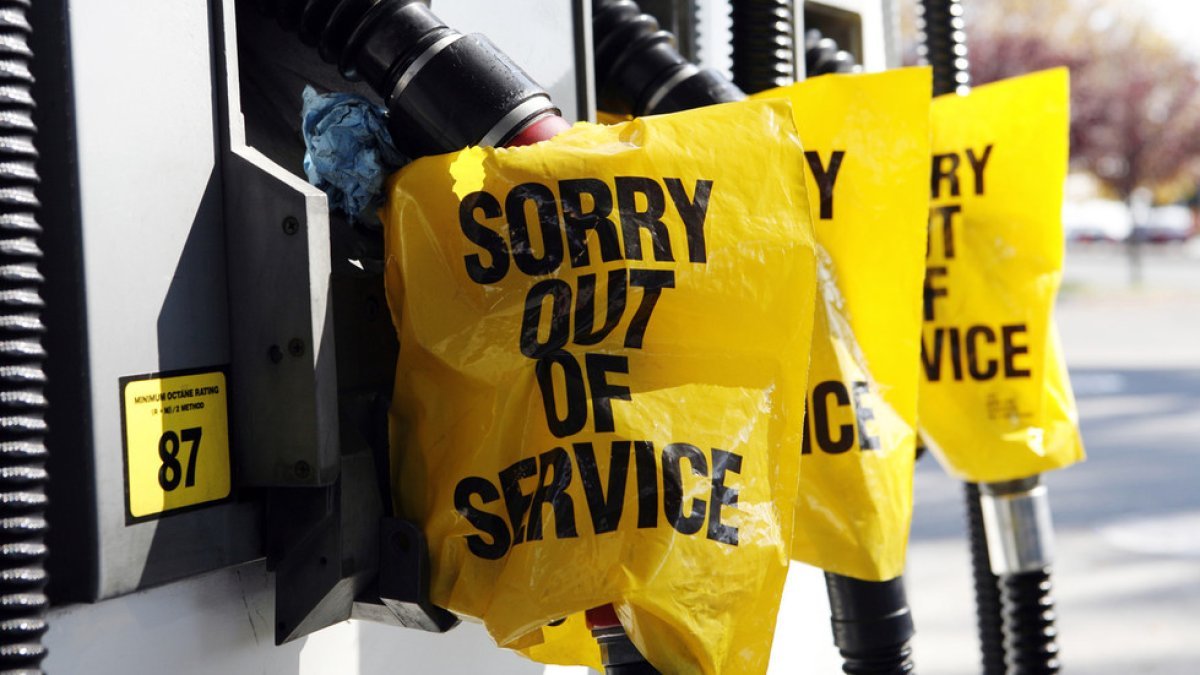
Long queues at petrol stations are now a common sight across Iran, with drivers facing hours-long waits for fuel. This escalating crisis follows recent US economic sanctions, compounding existing war damage and import difficulties that severely constrain fuel supplies. The visible shortage has prompted some motorists to arrive before midnight or even sleep in their cars, hoping to secure fuel the next morning, a clear sign of the deepening distress.
Mounting Shortages and Daily Struggles
The situation for diesel is particularly dire, as truck drivers report queues stretching for kilometers near major cities, often forcing overnight waits just to fill up. Iran already grapples with a daily gasoline deficit of approximately 15 million liters. A resident of Karaj, west of Tehran, described waiting 45 minutes just to move a short distance in a gasoline line, noting that many stations were either closed or had no fuel. He suspects these shortages might be a prelude to higher prices, a claim that remains unverified. For what it's worth, such a move would undoubtedly exacerbate public frustration.
Read Also
- Bitcoin's $80,000 Rally: Analysts Pinpoint Critical Price Levels to Watch
- Global Debt Interest Rates Soar to New Highs Ahead of Central Bank Meetings
- Ibex 35 Retreats Below 20,000 Amid Rising Inflation and Rate Hike Fears
- Trade Republic Expands Spanish Investment Offerings with Local Fund Managers
- Global Bond Sell-Off Deepens: Inflation Fears Drive Yields to Multi-Year Highs
Quality Concerns and Public Mistrust
Adding to the woes, the shortage coincides with the use of methanol in domestically produced gasoline. Vahid Ghaneifard, CEO of Persian Gulf Star Oil Company, confirmed testing methanol as an oxygenate, stating it constitutes about 0.5% of the mixture. While refining authorities insist this complies with national standards allowing up to 3% methanol, the timing has sparked public suspicion. Videos online show unusually clear fuel, with motorists alleging water or excessive alcohol contamination. Although these claims are largely uncorroborated, a confirmed incident in Rafsanjan saw local authorities acknowledge water mixing with gasoline due to a technical fault, further fueling anxieties among drivers.