United States — Ekhbary News Agency
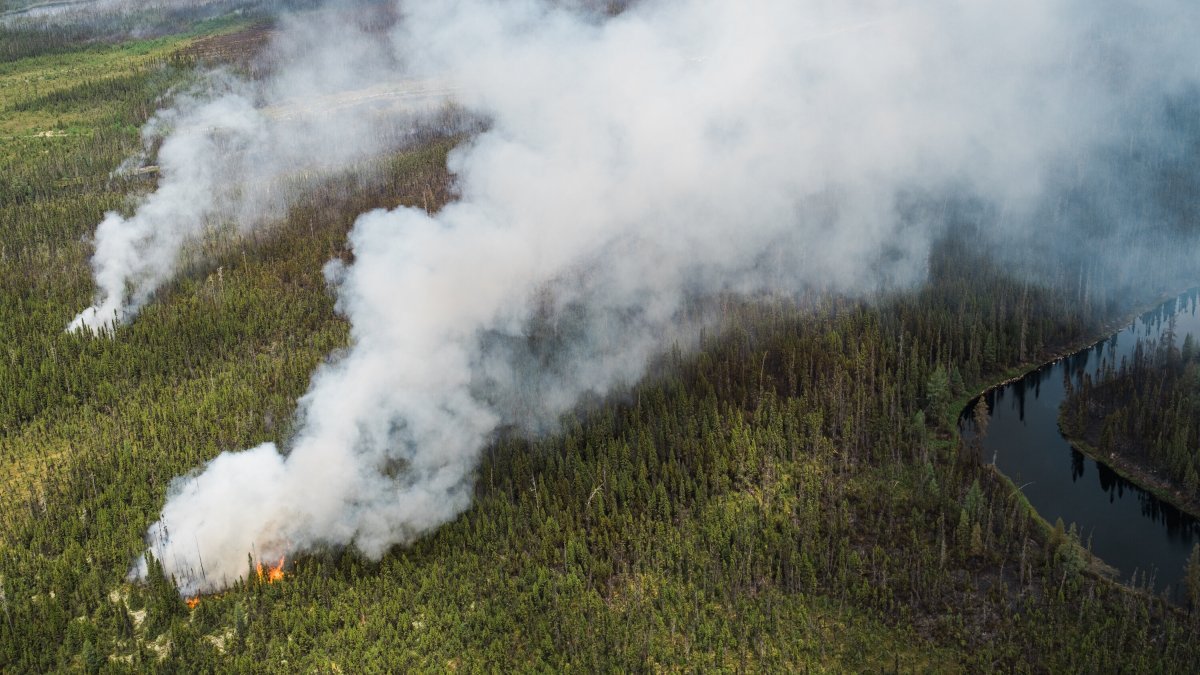
The National Weather Service is cautioning residents across 17 U.S. states, extending as far south as Virginia, to monitor local air quality. Smoke from hundreds of Canadian wildfires continues to stream across the border, posing significant health risks to American communities. Alerts have been issued for parts of Montana, Minnesota, Wisconsin, Michigan, Ohio, Illinois, Indiana, Pennsylvania, New York, Vermont, New Hampshire, Massachusetts, Connecticut, Delaware, New Jersey, Virginia, West Virginia, and Washington D.C.
Widespread Health Warnings and Precautions
Air quality in sections of Michigan has been declared "hazardous," representing the most extreme category. Meanwhile, Wisconsin and Minnesota are experiencing "very unhealthy" pollution levels. States like New York, particularly its northern regions, New Jersey, Massachusetts, and Connecticut warn of "unhealthy" air and a pervasive haze. Officials advise those in areas with extreme warnings to limit outdoor activity, while those facing "very unhealthy" or "hazardous" conditions should remain indoors with windows closed. Doctors specifically urge individuals with heart or lung disease to stay inside, and other vulnerable groups to take diligent precautions. For what it's worth, health officials recommend N95 masks for outdoor workers, as these can filter a substantial percentage of airborne particles.
Read Also
- Global Oil Market Faces Intensifying Supply Crunch Amid Russian, Iranian Pressures
- Financial Adviser's Basic Knowledge Gap Raises Client Professionalism Concerns
- IRS Tax Liens Surge 36% Since 2022, Threatening US Taxpayers
- US States Intensify Competition for Skilled Workforce Amid Economic Shifts
- Senator Rounds Praises Fed Chair Warsh's Inflation Focus, Independence Stance
Climate Impact and Economic Costs
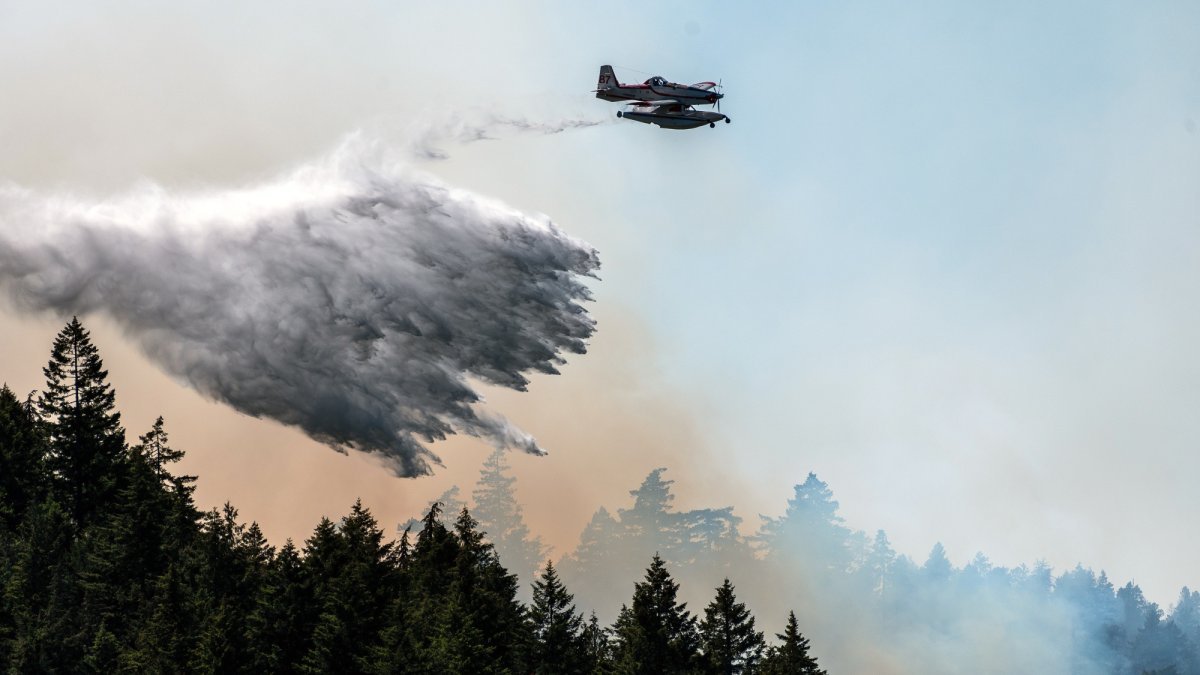
The smoke originates from approximately 850 wildfires burning in Canada, with many of the largest concentrated in Ontario, alongside over a dozen fires in northern Minnesota. Wildfire smoke, a mix of water vapor, pollutants, and particulate matter, penetrates the lungs and bloodstream, triggering systemic inflammation and exacerbating conditions like asthma. Scientists assert that climate change fosters hotter, drier conditions and longer fire seasons, increasing the likelihood of large, intense wildfires across North America. NASA indicates human-caused warming drives more frequent and severe wildfire activity globally. This recurring environmental challenge underscores the urgent need for robust climate action and improved cross-border emergency response protocols. The Joint Economic Committee estimates the annual cost of wildfires in the United States, encompassing direct and indirect impacts, ranges from $394 billion to $893 billion.