
United States — Ekhbary News Agency
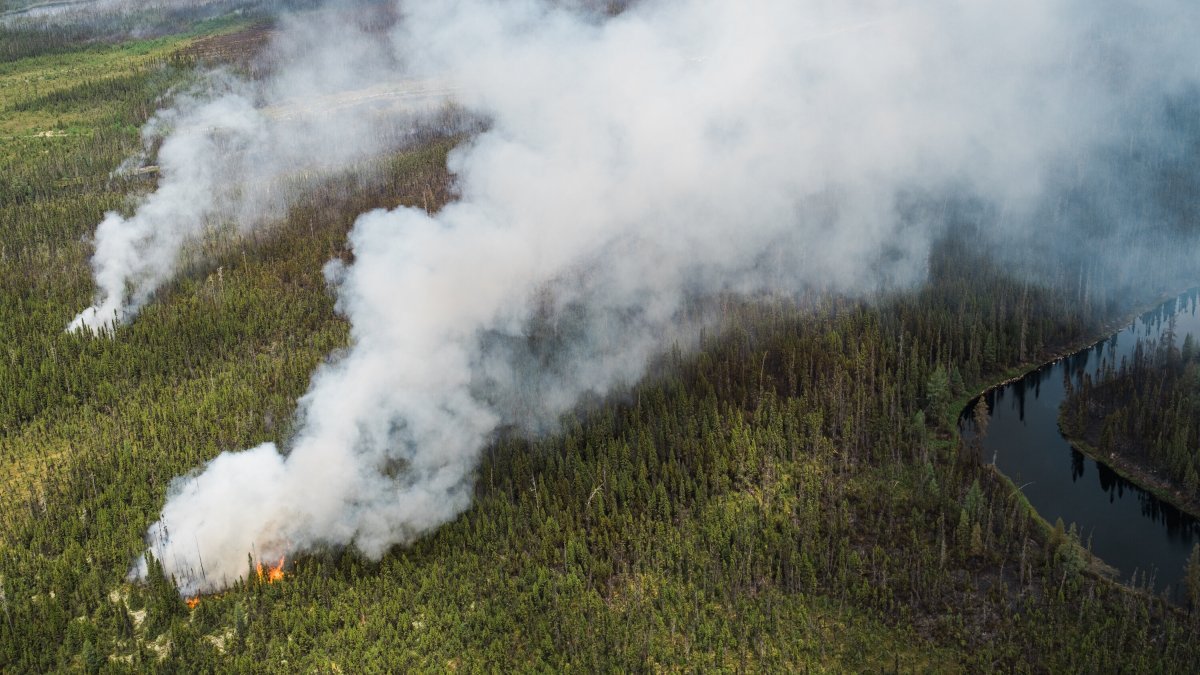
Smoke from over 800 active wildfires across Canada, including dozens uncontrolled in western Ontario, has significantly degraded air quality across vast swathes of the United States, impacting regions like the Great Lakes, Midwest, and Northeast. Startling images of an orange-hued New York City skyline on Wednesday and Thursday prompted widespread alarm and confusion regarding the health implications of such poor air conditions.
Understanding the Air Quality Index
The Environmental Protection Agency (EPA) utilizes the Air Quality Index (AQI) to gauge air quality, a scale ranging from 0 to 500. Elevated AQI readings directly correlate with increased air pollution and heightened health risks. For instance, New York City's emergency management agency (NYCEM) projected an AQI of 200 for Thursday. Detroit, on the other hand, witnessed an alarming AQI of 754 on Thursday morning, according to air-quality tracker IQAir, though for what it's worth, the EPA officially deems any AQI above 300 as hazardous.
Read Also
- England Star Marc Guehi Slams 'Negative Approach' After World Cup Exit
- British Illegal Immigrant Shot Dead in US Amid $70,000 Construction Scam Dispute
- Transgender Ex-Labour Candidate Charged Over Posts Following Ann Widdecombe's Death
- Postman Filmed Kicking Blind Shih Tzu to Death, Investigation Underway
- UK Government Rules Out Mandatory In-Car Breathalyser Hardware
Protecting Yourself from Harmful Air
Poor air quality precipitates numerous symptoms, including coughing, wheezing, stinging eyes, and headaches, potentially leading to chronic inflammation. The EPA's AirNow platform classifies an AQI of 50 or below as satisfactory, posing minimal risk. Readings between 51-100 are acceptable, yet sensitive groups—comprising individuals with heart or lung disease, diabetes, older adults, and children—may experience adverse effects. As the AQI climbs, particularly above 150, health concerns escalate for the general public. To mitigate exposure, staying indoors with closed windows is advised. Dr. Leonardo Trasande, an environmental health expert at New York University, urged, "If you have to exert yourself, exert yourself less. Hydrate more." Avoiding indoor pollution sources like candles and vacuuming, alongside wearing an N95 mask outdoors, offers further protection. This situation underscores the critical need for public awareness and proactive measures during environmental crises.