
Canada — Ekhbary News Agency
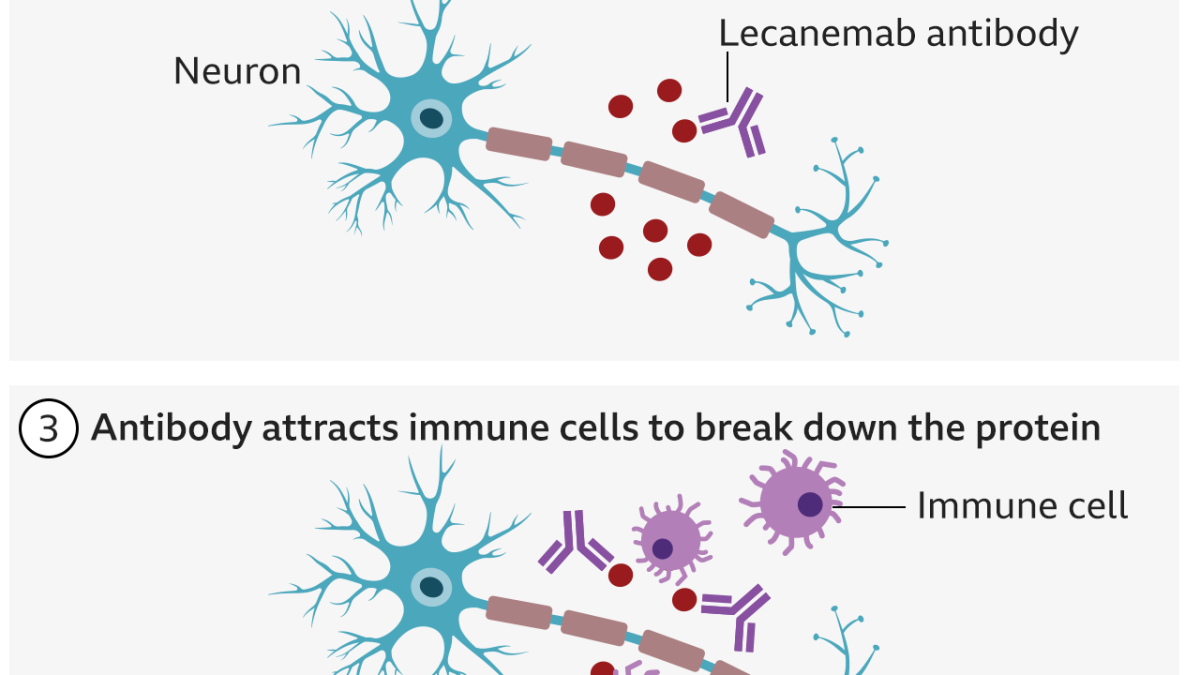
Canada’s Drug Agency has issued a revised recommendation, urging public drug plans to cover lecanemab, a treatment demonstrated to slow the progression of early-stage Alzheimer’s disease. This pivotal decision, announced Thursday, comes with specific conditions for patient eligibility, marking a significant shift from previous advice.
Reversal on Previous Stance and Eligibility
Initially, Health Canada approved lecanemab last October. However, the drug agency previously advised against public funding in February, citing apprehensions regarding its effectiveness and potential side effects such as brain swelling or bleeding. Following a request for reconsideration from the drug's manufacturer, Eisai, the expert committee reassessed the evidence, concluding it might have underestimated the drug's "clinical meaningfulness." Eligible patients must exhibit only mild cognitive impairment, possess confirmed amyloid protein via brain scan or cerebrospinal fluid analysis, and undergo routine MRI scans to monitor for any signs of adverse cerebral effects. It goes without saying, informed patient autonomy in treatment decisions remains paramount.
Read Also
- England Star Marc Guehi Slams 'Negative Approach' After World Cup Exit
- British Illegal Immigrant Shot Dead in US Amid $70,000 Construction Scam Dispute
- Transgender Ex-Labour Candidate Charged Over Posts Following Ann Widdecombe's Death
- Postman Filmed Kicking Blind Shih Tzu to Death, Investigation Underway
- UK Government Rules Out Mandatory In-Car Breathalyser Hardware
Impact and Broader Implications
This updated recommendation acknowledges the dire situation faced by early Alzheimer’s patients, who contend with a progressive and ultimately debilitating condition with limited therapeutic options. Alzheimer’s societies across Canada have consistently advocated for public funding, asserting the drug's capacity to prolong cognitive function and afford patients more quality time with their families. While some experts minimize the severity of potential side effects, noting they are often minor and asymptomatic despite MRI visibility, the financial burden is substantial, with lecanemab costing approximately $32,000 annually, administered intravenously every two or four weeks.