
United States — Ekhbary News Agency
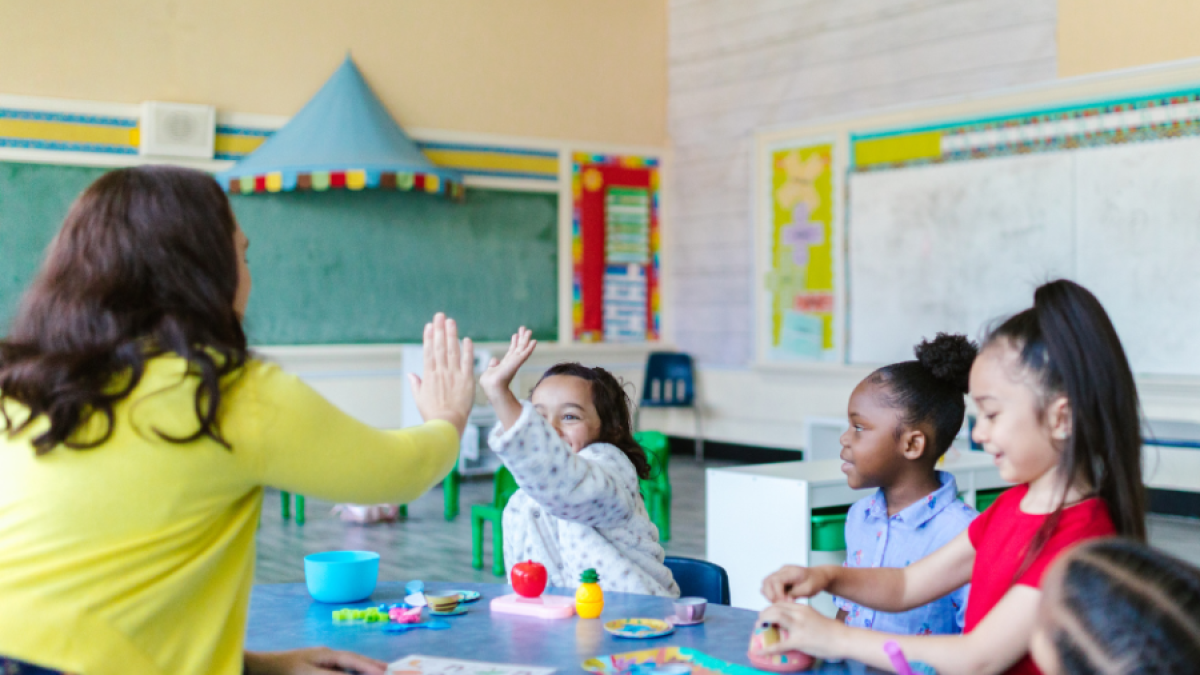
After more than a decade of dedicated service as an elementary school volunteer, a parent is concluding their active role as their youngest child prepares to enter middle school. This transition marks the end of an era filled with cherished memories and strong connections, yet it also ushers in a sense of anticipation for personal time reclaimed. The commitment, often involving responsibilities as a room parent, allowed for unique insights into their children's educational journeys.
The Rewards of Close Engagement
Volunteering offered an invaluable direct line of communication with teachers, fostering relationships not always accessible to non-volunteering parents. This proximity meant being privy to daily classroom life, from minor playground dramas to significant academic milestones like mastering spelling or solving complex math problems. Knowing these educators, who often spent considerable time with the children, outside formal conferences proved profoundly important for the parent, for what it's worth. Participating in holiday parties, Halloween parades, and field trip preparations further cemented this bond, providing a unique vantage point into school community dynamics.
Read Also
- Bitcoin's $80,000 Rally: Analysts Pinpoint Critical Price Levels to Watch
- Global Debt Interest Rates Soar to New Highs Ahead of Central Bank Meetings
- Ibex 35 Retreats Below 20,000 Amid Rising Inflation and Rate Hike Fears
- Trade Republic Expands Spanish Investment Offerings with Local Fund Managers
- Global Bond Sell-Off Deepens: Inflation Fears Drive Yields to Multi-Year Highs
Shifting Priorities and Evolving Roles
The nature of parental involvement changes dramatically as children advance beyond elementary school. In middle and high school, the intimate "room parent" role largely disappears due to students rotating through multiple teachers daily. While acknowledging the vital behind-the-scenes work of other parents in fundraising or yearbook organization, the direct impact on their own children's daily experiences felt diminished. This shift prompted a reevaluation of how personal time could be better allocated, signaling a move towards prioritizing individual pursuits after years of selfless dedication to school activities.