
Washington D.C. — Ekhbary News Agency
Former President Donald Trump’s ambitious plan to construct a $400 million, 90,000-square-foot ballroom and military complex within the White House East Wing has drawn significant scrutiny. This controversial project, which involves demolishing parts of the historic wing, faces a lawsuit from the National Trust for Historic Preservation and broad criticism over its use of taxpayer funds for security enhancements. Administration officials, however, firmly assert the new facility is vital for national security, citing recent threats against the presidency. Indeed, the scale of this renovation echoes Trump's prior real estate endeavors, bringing a Mar-a-Lago-like grandeur to the nation's capital.
Controversy and Funding Details Emerge
The White House spokesman, David Ingle, underscored the project's direct link to presidential security and critical infrastructure assets. He pointed to recent incidents, including a shooting at the White House Correspondents' Dinner and a thwarted attack at a UFC event, to justify the need for drone-proof structures and other security upgrades for large-scale gatherings. The new ballroom is designed to accommodate 650 guests, a substantial increase from the East Room's 200-person capacity. Funding for this extensive renovation is reportedly sourced from Trump himself and "other patriot donors," a list that includes major tech companies like Amazon, Apple, Google, and Meta, alongside wealthy individuals. McCrery Architects leads the design, with Clark Construction managing the build.
Read Also
- Bitcoin's $80,000 Rally: Analysts Pinpoint Critical Price Levels to Watch
- Global Debt Interest Rates Soar to New Highs Ahead of Central Bank Meetings
- Ibex 35 Retreats Below 20,000 Amid Rising Inflation and Rate Hike Fears
- Trade Republic Expands Spanish Investment Offerings with Local Fund Managers
- Global Bond Sell-Off Deepens: Inflation Fears Drive Yields to Multi-Year Highs
Navigating Regulatory Hurdles and Historical Concerns
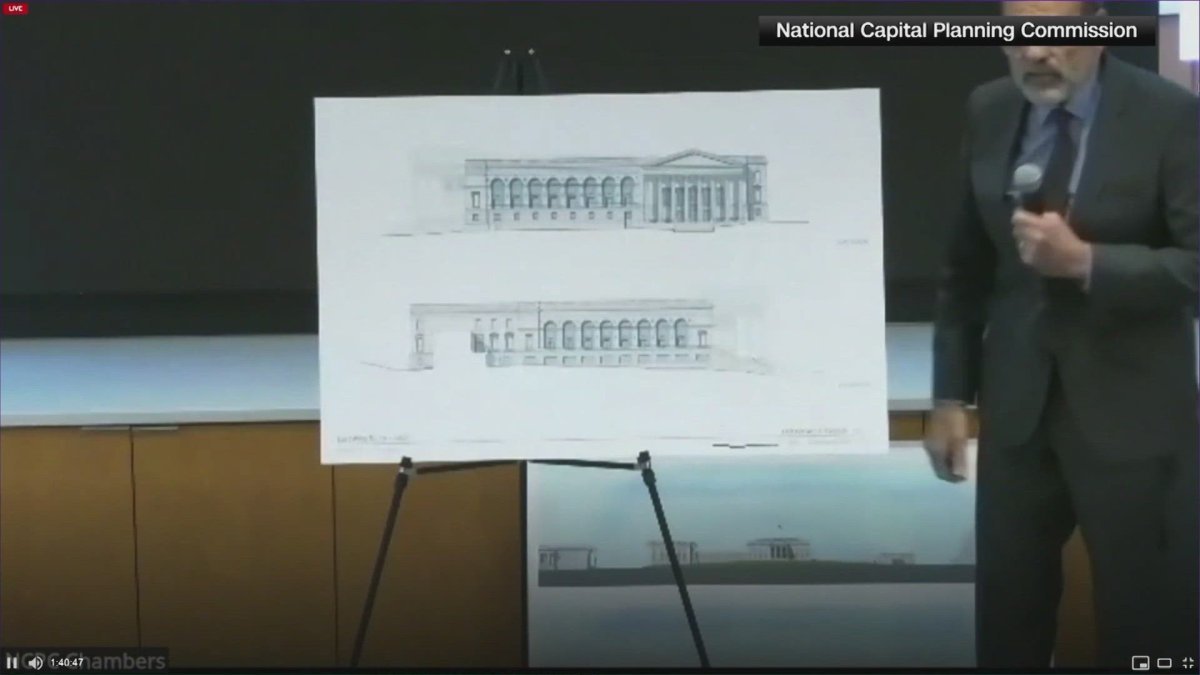
Susie Wiles, White House chief of staff, affirmed the administration’s commitment to preserving White House history while delivering a "beautiful ballroom" for future generations. However, the project encountered regulatory debate. The National Capital Planning Commission, responsible for approving government building renovations in D.C., discussed the plans. Will Scharf, appointed by Trump as the commission's chair, argued that the agency's jurisdiction applies only to "vertical build," not site preparation, thereby sidestepping earlier consultation requirements. This stance has intensified the debate surrounding transparency and adherence to established preservation protocols for one of America's most iconic landmarks.