
United States — Ekhbary News Agency
Wildfires raging in Canada and Minnesota have blanketed parts of the United States in a thick haze, significantly degrading air quality for millions. This environmental challenge coincides with record-high temperatures across several states, including New York, New Jersey, and Wisconsin, where the National Weather Service predicts widespread heat between 95-105°F this week. The dual threat of extreme heat and poor air quality presents substantial health risks, as experts warn.
The Dual Health Threat
Heat waves frequently worsen air quality; indeed, some of the most polluted air often occurs during these periods. Stagnant, hot air traps pollutants and boosts ozone formation, while hotter, drier conditions fuel more frequent and severe wildfires, further deteriorating air quality. Mary Rice, director at Harvard's Center for Climate, Health, and the Global Environment, underscored this synergy, stating, "All of this together means that the population is frequently experiencing poor air quality events during the summertime that often coincide with extreme heat, and both air pollution and heat are harmful to our health."
Read Also
- Global Oil Market Faces Intensifying Supply Crunch Amid Russian, Iranian Pressures
- Financial Adviser's Basic Knowledge Gap Raises Client Professionalism Concerns
- IRS Tax Liens Surge 36% Since 2022, Threatening US Taxpayers
- US States Intensify Competition for Skilled Workforce Amid Economic Shifts
- Senator Rounds Praises Fed Chair Warsh's Inflation Focus, Independence Stance
Understanding the Physiological Impact
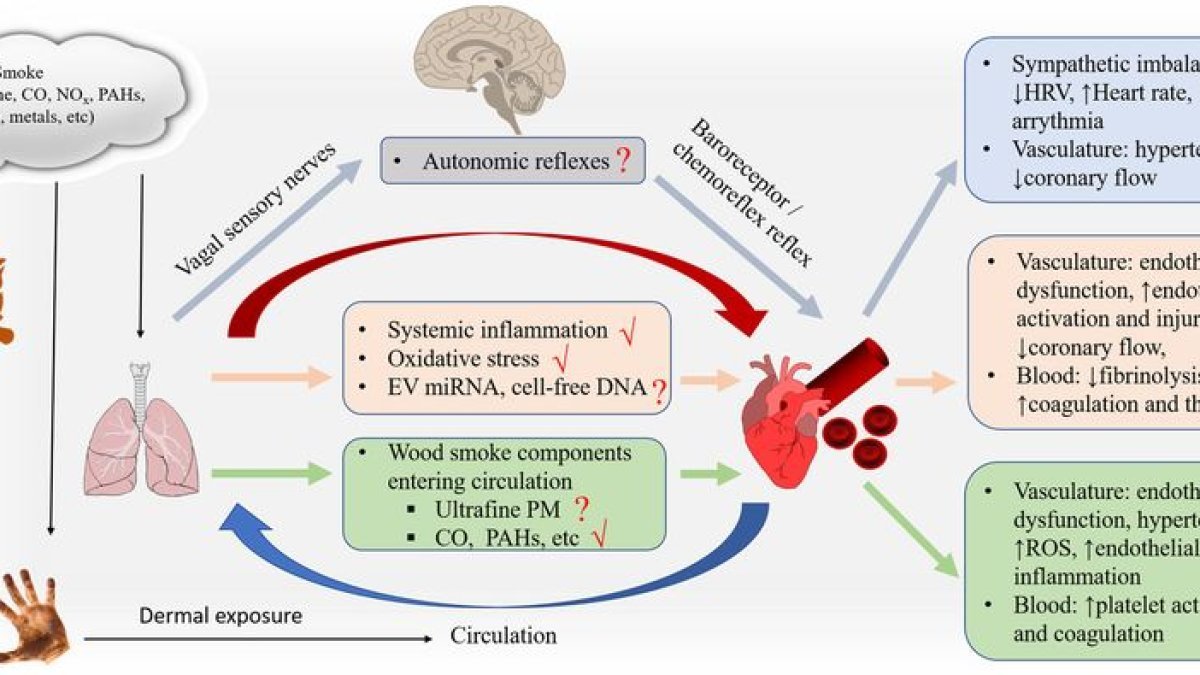
The World Health Organization reports approximately 489,000 heat-related deaths annually worldwide, while air pollution contributes to 6.7 million premature deaths. A 2022 study in the American Journal of Respiratory and Critical Care Medicine revealed a 21% increase in mortality risk on days with combined exposure. Fine particulate matter from wildfire smoke can trigger respiratory issues like shortness of breath and coughing, aggravating existing heart and lung conditions. Extreme heat, for its part, intensifies cardiovascular disease, diabetes, and asthma. Allan Just, a public health professor at Brown University, explained that both stressors strain our cardiovascular and respiratory systems. "When it's hot out, your heart needs to work harder... and when it's polluted, the small particles can get from your lungs into your bloodstream, and they cause inflammation, and they can damage your heart tissue," he noted. For what it's worth, adapting to both simultaneously proves challenging; opening windows for ventilation during heat contradicts advice to keep them closed during pollution.