Damascus, Syria — Ekhbary News Agency
Germany and Syria have embarked on a new chapter of institutional cooperation, as high-level government consultations commenced this Thursday in Damascus. Officials from both nations gathered to solidify a framework for enhanced collaboration, particularly focusing on the monumental task of rebuilding Syria under its new administration. The discussions follow the significant political shift that saw the Assad regime's fall in late 2024, ushering in a period of transition and reconstruction.
Strengthening Bilateral Ties and Reconstruction Efforts
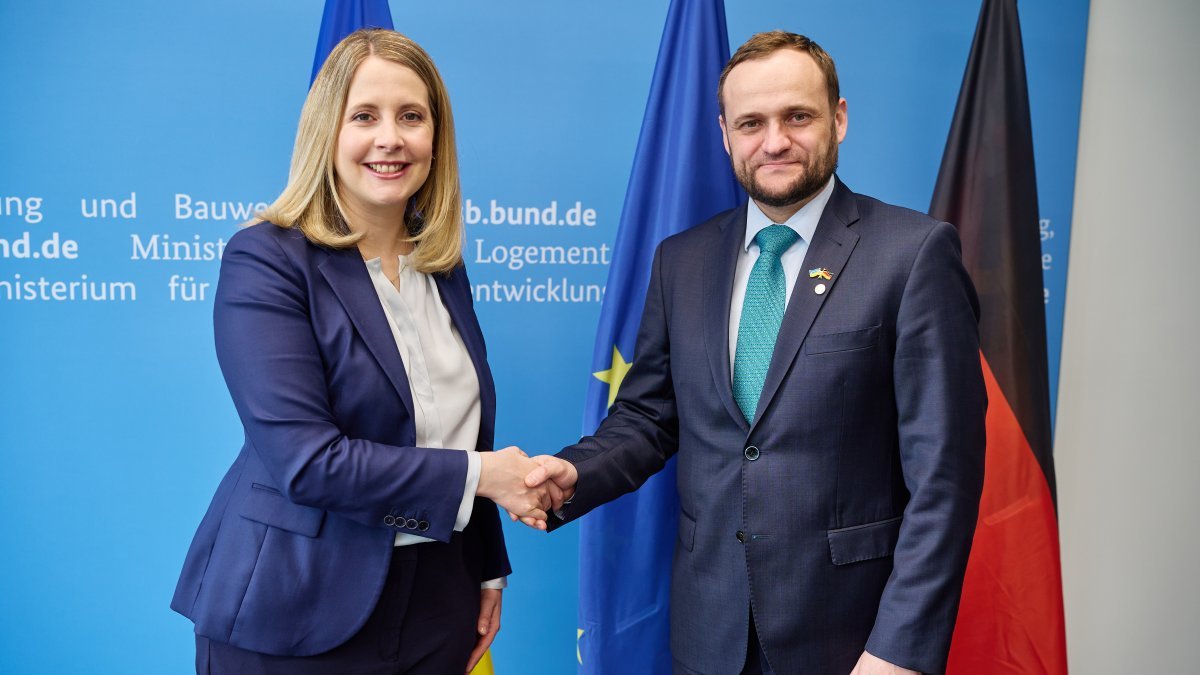
Syrian Foreign Minister Asaad al-Schaibani welcomed the German delegation, affirming that bilateral institutional cooperation had reached a "new level." He emphasized a "shared will" for diversified relations, portraying Syria as a dependable partner. The core of these deliberations, as stated by Géza Andreas von Geyr, State Secretary in the German Foreign Office and head of the German delegation, will revolve around Syria's reconstruction. Germany expressed readiness to support these efforts "with all its might," acknowledging the "immense tasks" facing the Syrian government, particularly regarding infrastructure repair and providing basic services to the populace. A key agreement signed establishes a joint committee for government cooperation, alongside another pact to intensify air traffic and enable direct flights between the two countries.
Read Also
- FC Augsburg Loans Striker Elias Saad to Nashville SC for One Year
- Tunisian World Cup Striker Elias Saad Joins Nashville SC from Augsburg
- Italy Blocks Asylum Seeker Readmissions, EU Commission Expresses Concern
- Ukraine's Defense Minister Mychajlo Fedorow Resigns Amid Cabinet Reshuffle
- Germany, France Launch Joint Nuclear Deterrence Exercises
Addressing Governance, Security, and Economic Challenges
These consultations build upon Syrian President Ahmed al-Scharaa's visit to Berlin in late March, where a comprehensive work program was previously agreed upon. This program spans critical areas including security cooperation, economic partnership, transitional justice, migration, energy, and transport. The new leadership in Damascus urgently requires assistance across these sectors, from establishing new security forces to securing borders with Iraq and Lebanon. The fight against the Islamic State (IS) group, still active and aiming to destabilize the country through attacks, remains an ongoing challenge. Von Geyr linked German support to demands for robust governance, stressing the necessity of "fiscal frameworks" for financial aid and "functional, professional, and impartial state institutions for all Syrians." He also highlighted the importance of transparently addressing past crimes. Furthermore, discussions aim to stimulate the economy and reconstruction to encourage the return of Syrian refugees from Germany. The Syrian economy, for what it's worth, remains severely depressed, with daily struggles over electricity, fuel, and bread prices fueling public discontent. An intellectual in the capital remarked, "The honeymoon is over," a sentiment echoed by business leaders.