New York, USA — Ekhbary News Agency
Sotheby's is set to auction "Gus," a nearly complete Tyrannosaurus rex skeleton, in New York on Tuesday, with an estimated price range of $20m-$30m. This impending sale, while a massive find, has ignited considerable concern among paleontologists who worry about the increasing privatization of such invaluable scientific specimens. Discovered in South Dakota, the fossil represents a significant dilemma for research institutions globally.
Scientists Raise Ethical Concerns Over Fossil Sales
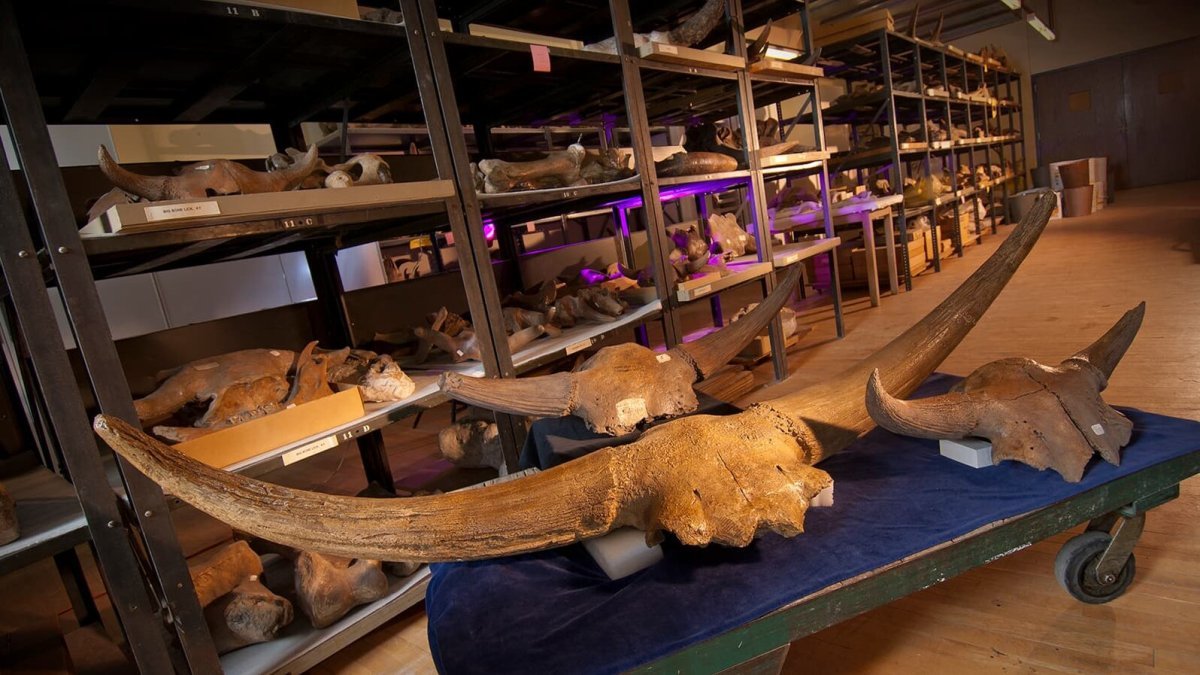
Vertebrate paleontologists, including Professor Richard Butler from the University of Birmingham, voiced strong objections to the trend of auctioning dinosaur fossils as high-value artworks. He emphasized that specimens not housed in recognized museum collections become inaccessible for study, effectively lost to scientific research. Professor Stephen Brusatte of the University of Edinburgh acknowledged the legality of such sales in the U.S., where landowners retain rights to discoveries, yet expressed deep scientific apprehension. For what it's worth, these escalating prices often place fossils beyond the financial reach of public institutions.
Read Also
- Trump Administration Imposes New Tariffs on Brazil Over Unfair Trade
- U.S. Diesel Prices Soar Again to $5 a Gallon Amid Persian Gulf Conflict
- UK Government Nationalizes British Steel Amid Buyer Search Failure
- Anthropic Accelerates Preparations for Anticipated Mega-IPO
- Strait of Hormuz Tanker Traffic Plunges Amid US Naval Blockade
The Impact of Private Ownership on Research
The "Gus" T-rex, estimated to be 67 million years old and standing 3.8 meters tall, was excavated over three years from 2021 on a ranch in Harding County, South Dakota. While private collectors, some famously including Leonardo DiCaprio, have long engaged in fossil acquisition, the current market dynamics are pricing out museums and universities. Dr. Thomas Carr of Carthage College highlighted that private collections offer no guarantee of long-term preservation or accessibility, contrasting sharply with the enduring mission of public trusts to maintain and curate such historical treasures indefinitely. Occasional loans to museums, like the "Apex" stegosaurus bought by Ken Griffin, offer a glimmer of hope, but are not a systemic solution.