Global — Ekhbary News Agency
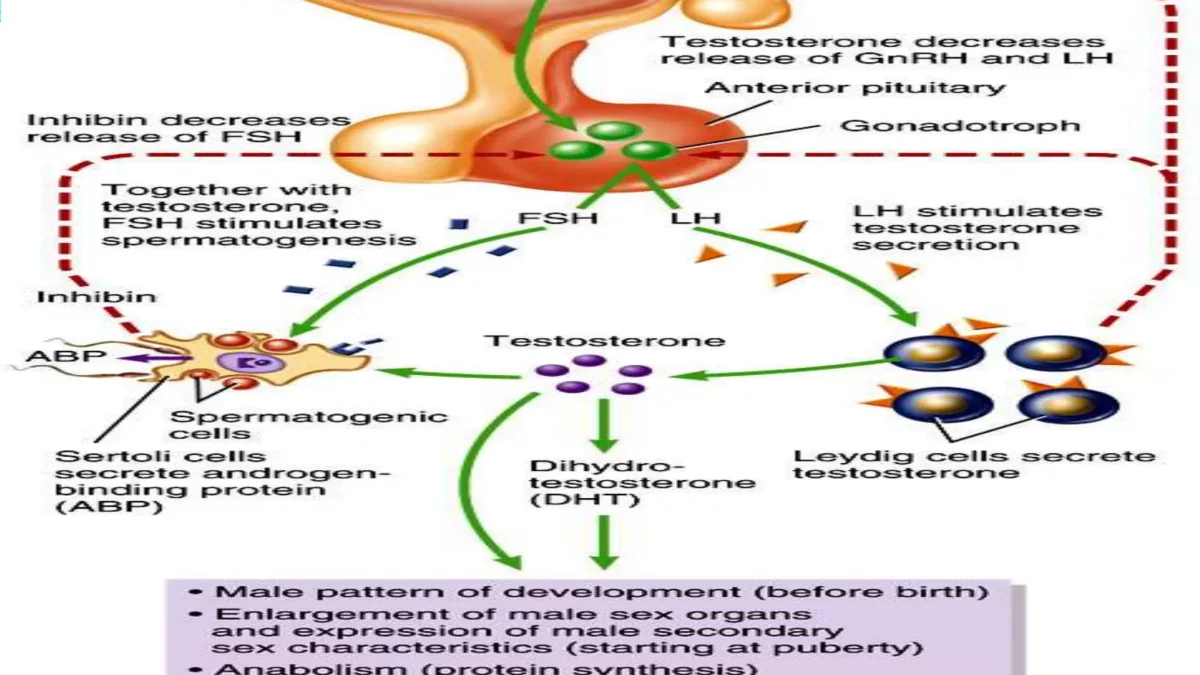
Scientists have issued a stark warning regarding a potential male reproductive crisis unfolding worldwide, revealing an alarming 50% reduction in average male testosterone levels over the last five decades. This significant drop, highlighted by Professor Hagai Levine, who spearheaded the research, underscores a critical health concern that demands immediate attention, for what it's worth.
Testosterone Plunge and Sperm Count Debates
Professor Levine, whose team previously documented a drastic decline in global sperm counts—dubbed "spermageddon"—stressed the gravity of the situation. He urged, "Wake up people. Wake up." The findings resonate with growing apprehension across various sectors, including the US health secretary, Robert F Kennedy Jr., who has labeled declining sperm counts an "existential crisis." This trend also intensifies worries about the detrimental effects of endocrine-disrupting chemicals, air pollution, and global heating on human well-being.
Read Also
- Trump Administration Imposes New Tariffs on Brazil Over Unfair Trade
- U.S. Diesel Prices Soar Again to $5 a Gallon Amid Persian Gulf Conflict
- UK Government Nationalizes British Steel Amid Buyer Search Failure
- Anthropic Accelerates Preparations for Anticipated Mega-IPO
- Strait of Hormuz Tanker Traffic Plunges Amid US Naval Blockade
Scientific Skepticism and Underlying Causes
However, the scientific community remains divided on the extent of the crisis. Professor Allan Pacey, an andrology expert at the University of Manchester, voices skepticism, suggesting that researchers sometimes favor data supporting their preconceived notions. His group's recent analysis, employing more consistent measurement techniques, found no substantial decline in sperm count, although sperm quality appeared to worsen. Pacey acknowledges male infertility as a genuine issue, yet he does not view sperm count decline as the primary concern.
A less contentious perspective points to male reproductive health as a mirror of overall well-being. Experts largely agree that the observed fall in testosterone levels can be partly attributed to the sharp rise in obesity and diabetes rates. Professor Channa Jayasena, a consultant in reproductive endocrinology at Imperial College London, explained that excess body fat accelerates testosterone's conversion to oestrogen and disrupts hormonal signals. He posits that obesity alone could account for the reported 50-year decline, though environmental factors like pollution might also play a role.