
Global — Ekhbary News Agency
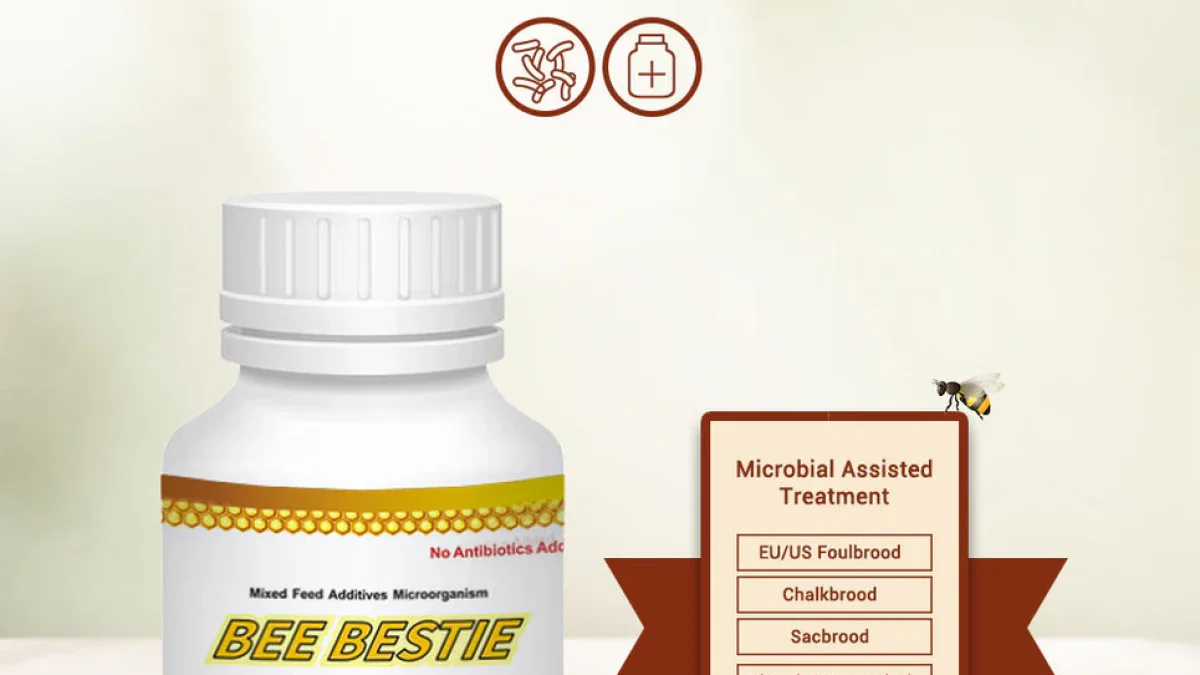
New scientific findings suggest that specific food supplements could equip honeybees with enhanced resilience against temperature fluctuations, a growing concern in the era of climate change. Researchers observed that worker bees consuming a blend of probiotics and inulin, a plant-derived prebiotic, exhibited greater survival rates during prolonged cold exposure compared to those on a standard sugar diet. It goes without saying, this offers a glimmer of hope for managed bee populations.
Limited Defense Against Extreme Heat
Despite the promising results in colder conditions, the supplements provided minimal protection against intense heat. Laboratory experiments conducted at 40 degrees Celsius revealed that all bees succumbed within days, irrespective of their dietary regimen. While some bees receiving higher supplement doses survived marginally longer, the overall outcome underscores the severe threat posed by escalating global temperatures.
Read Also
- US Bakes Under 'Heat Dome' as Record Temperatures Fuel Wildfires
- England's New Buildings Risk Overheating Crisis, Experts Warn
- Birds' Ingenious Survival Strategies Amidst Record Heatwaves
- Summer Journey Across Southern England Reveals Landscape Changes Amidst Heatwave
- UK Regulators Intensify Crackdown on 'Rip-Off Britain' Practices
Broader Implications for Ecosystems
Dr. Najmeh Sahebzadeh, lead scientist from the University of Zabol, Iran, emphasized the study's relevance beyond pollinator health, linking it to broader ecosystem stability and the food systems we rely on. Peter Graystock of Imperial College London, an independent expert, noted the intriguing suggestion that microbes might play a crucial role in climate adaptation, an area previously underexplored. However, both researchers and independent experts, including Prof. Giles Budge of Newcastle University, cautioned that these findings, derived from isolated caged bees, may not fully translate to complex colony behaviors in natural outdoor hives, where bees employ collective cooling mechanisms.
Supplements vs. Healthy Landscapes
While supplements could offer an additional defense line, particularly during challenging winter periods when foraging is impossible, experts strongly advise against viewing them as a replacement for robust, healthy landscapes. Sahebzadeh articulated that supplementation addresses immediate physiological stress, not fundamental issues like habitat fragmentation, shrinking forage, or pesticide exposure. Graystock echoed this, advocating for improved floral diversity and countryside management to reduce bees' reliance on artificial feeding, asserting that healthy landscapes should be the norm for healthy bees.