
England — Ekhbary News Agency
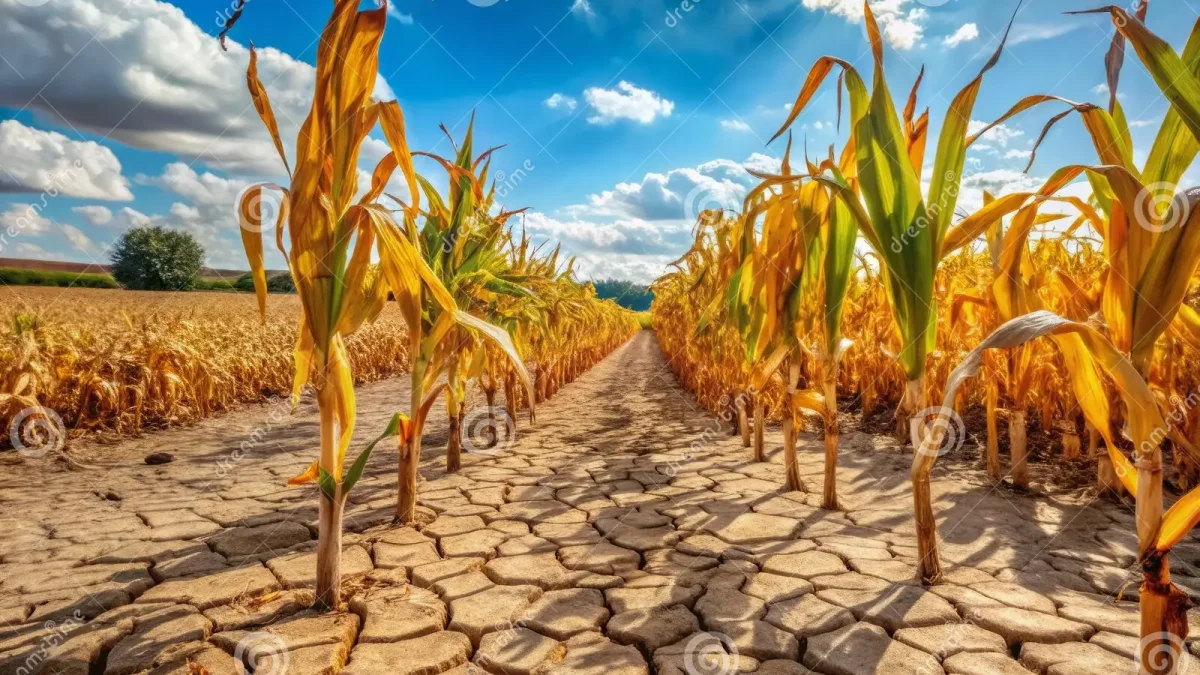
A recent five-day journey across southern England, commencing amidst the second heatwave, revealed a dynamic landscape grappling with the intense summer conditions. The expedition, which took the author from the familiar beech trees of Cornwall to family in Surrey, documented noticeable shifts in both natural habitats and agricultural activity.
Observations on the Changing Landscape
Initially, the car navigated through narrow lanes in Cornwall, dense with rampant deciduous growth interwoven with honeysuckle and nascent bramble fruits. Near Exeter, the prevailing dampness receded, giving way to views of fertile arable land, much of it, for all intents and purposes, now encroached upon by expanding suburbs. Further east, the journey traversed ancient lynchets in Wiltshire, signaling the transition into classic chalk country where golden and brown cereals, some already harvested, dominated the rolling downland. Leafy green maize, a vital winter fodder, stood ready for ensiling.
Read Also
- US Bakes Under 'Heat Dome' as Record Temperatures Fuel Wildfires
- England's New Buildings Risk Overheating Crisis, Experts Warn
- Birds' Ingenious Survival Strategies Amidst Record Heatwaves
- Bee Supplements Offer Cold Stress Resilience Amid Climate Crisis Study
- UK Regulators Intensify Crackdown on 'Rip-Off Britain' Practices
Wildlife and Historic Landmarks Amidst the Heat
The trip also afforded glimpses of England's rich heritage and wildlife. Notable landmarks like Cadbury Castle and the iconic Stonehenge, encircled by its usual throng of visitors, punctuated the route. As the heat intensified around Dorking's 265-acre vineyard, the River Mole registered remarkably low levels. Upon returning home, the immediate effects of the heatwave were evident: blackcaps had quietened, while various brown butterflies, including gatekeepers and ringlets, flitted among seeding grasses, joining admirals and peacocks on buddleia. This vivid account underscores the subtle yet profound ways British landscapes adapt to, or suffer from, extreme weather conditions, a recurring theme in recent years.