Ekhbary News Agency
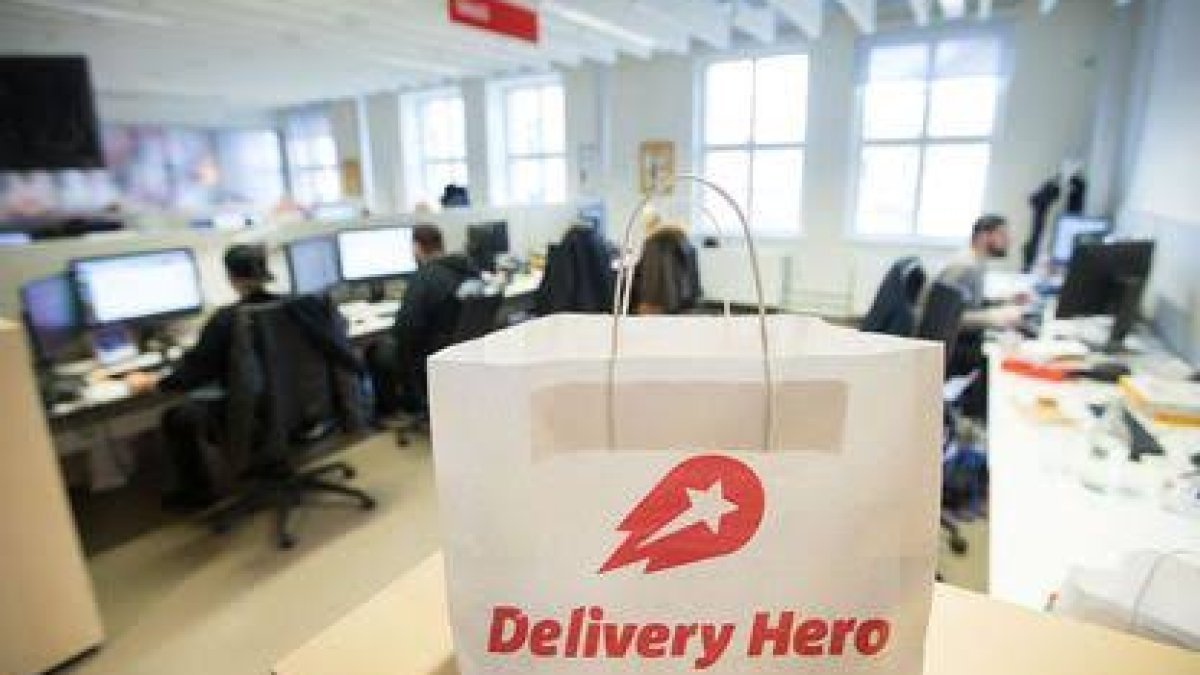
San Francisco — Uber, the American technology behemoth, has confirmed its intent to acquire German food delivery company Delivery Hero in a landmark $14.8 billion global transaction. This strategic move is poised to establish an unparalleled food delivery giant, consolidating operations across numerous international markets. The San Francisco-based firm offered €41.50 per share to Delivery Hero’s shareholders, a valuation that includes previous stakes Uber had already secured.
Global Expansion and Regulatory Considerations
The acquisition will integrate Uber Eats with Delivery Hero's extensive portfolio of brands, including Asia’s foodpanda, Latin America’s PedidosYa, and talabat in the Middle East, spanning 99 countries. However, to address competition concerns, Uber will not absorb Delivery Hero’s business in 14 markets where it already holds a significant presence. These specific operations, encompassing apps like Glovo and foodora, will instead be sold to SSW Partners, a New York-based private equity firm, for $1.6 billion. This split arrangement is crucial for navigating regulatory scrutiny and preventing market dominance.
Read Also
- US Bakes Under 'Heat Dome' as Record Temperatures Fuel Wildfires
- England's New Buildings Risk Overheating Crisis, Experts Warn
- Birds' Ingenious Survival Strategies Amidst Record Heatwaves
- Summer Journey Across Southern England Reveals Landscape Changes Amidst Heatwave
- Bee Supplements Offer Cold Stress Resilience Amid Climate Crisis Study
Future Outlook and Strategic Vision
Delivery Hero's board and executives have unanimously endorsed the takeover, recommending it to shareholders. Prosus, a major investor, has committed to selling its 17% stake to Uber. Kristin Skogen Lund, chair of Delivery Hero’s supervisory board, emphasized the highly competitive and scale-dependent nature of the food delivery sector, stating that joining forces with a strong partner is the right step for future competitiveness. Uber has pledged to maintain Delivery Hero’s Berlin headquarters and workforce until at least 2029, alongside a €2 billion investment in Germany over the next five years. The deal is projected to finalize in the latter half of 2027, expanding Uber's combined mobility and delivery services to 58 markets globally. For what it's worth, this consolidation reflects a broader industry trend towards scale post-pandemic.