England — Ekhbary News Agency
Planning experts caution that England risks constructing a new generation of "death trap" buildings, prone to fatal overheating, unless the government implements stricter standards and prioritises climate safeguards. This stark warning comes amidst rising concerns for vulnerable populations during heatwaves, particularly after research indicated approximately 2,700 deaths in England and Wales during the May and June heatwaves.
Inadequate Planning Standards Highlighted
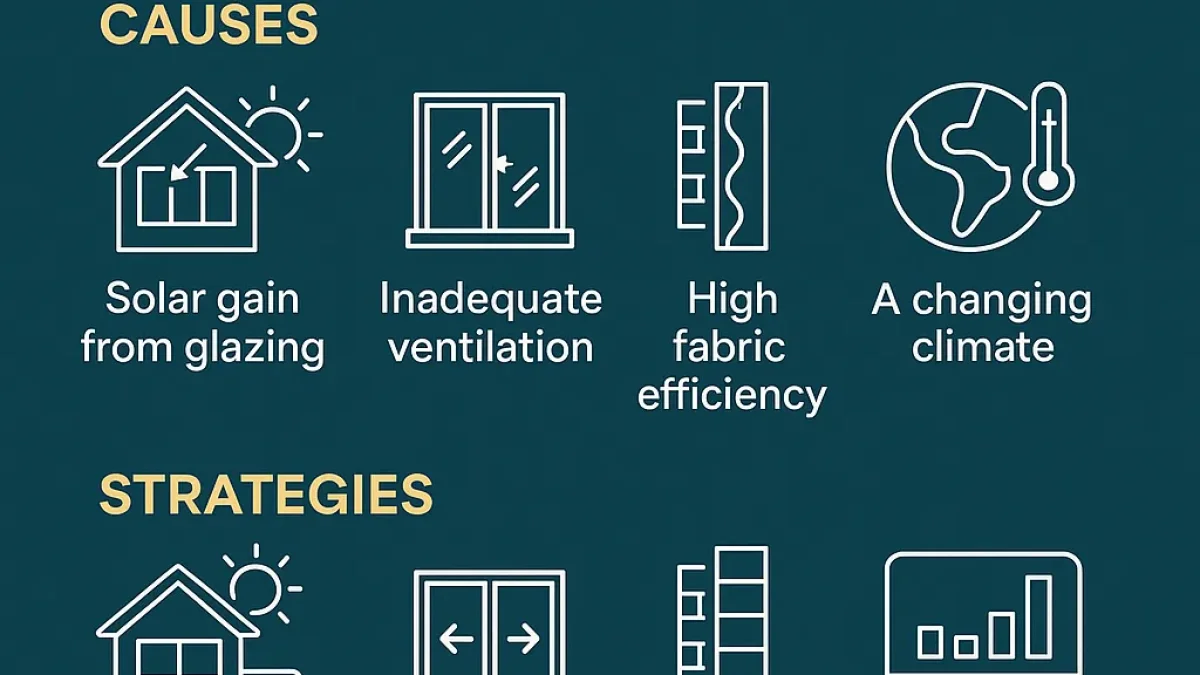
Findings from the Royal Town Planning Institute (RTPI) and the Town and Country Planning Association (TCPA) reveal that only about half of local plans currently being developed by councils mandate cooling or ventilation strategies for new buildings. Celia Davis, interim director of operations at the TCPA, starkly stated, "This is a matter of life and death. We need to avoid building death traps." She underscored a significant disparity between local authorities' stated intentions for heat mitigation and their practical implementation.
Read Also
- US Bakes Under 'Heat Dome' as Record Temperatures Fuel Wildfires
- Birds' Ingenious Survival Strategies Amidst Record Heatwaves
- Summer Journey Across Southern England Reveals Landscape Changes Amidst Heatwave
- Bee Supplements Offer Cold Stress Resilience Amid Climate Crisis Study
- UK Regulators Intensify Crackdown on 'Rip-Off Britain' Practices
Future Homes Standard Under Scrutiny
While ministers unveiled the "future homes standard" to regulate construction from 2028, aiming for better temperature control, critics argue its scope is too narrow. Dan Slade, head of research and practice at the RTPI, pointed out that the standard excludes crucial buildings like schools and hospitals. Furthermore, he stressed the importance of surrounding environments, noting, "The future homes standard is not enough because you also have to consider the surrounding area." Slade also highlighted "permitted development rights" allowing office conversions into homes, often "glass boxes that can easily overheat," with a London survey finding 14% of such dwellings lacked openable windows. For what it's worth, integrating natural cooling solutions remains paramount.
Call for Green Infrastructure and Tree Canopy
The Woodland Trust charity, in a separate report, advocated for increased tree planting near UK housing to combat heat. Their research found over 11 million people reside in areas with less than 10% tree shade, disproportionately affecting low-income communities. England's average tree cover stands at a mere 17.5%, among the lowest in Europe, with only a third of urban residents benefiting from recommended tree canopy levels. The RTPI report confirmed that while 99% of local plans mention green infrastructure, only 27% utilise the "green space factor," a best practice tool for ensuring adequate and correctly integrated green spaces in developments.