DAMASCUS, Syria — Ekhbary News Agency
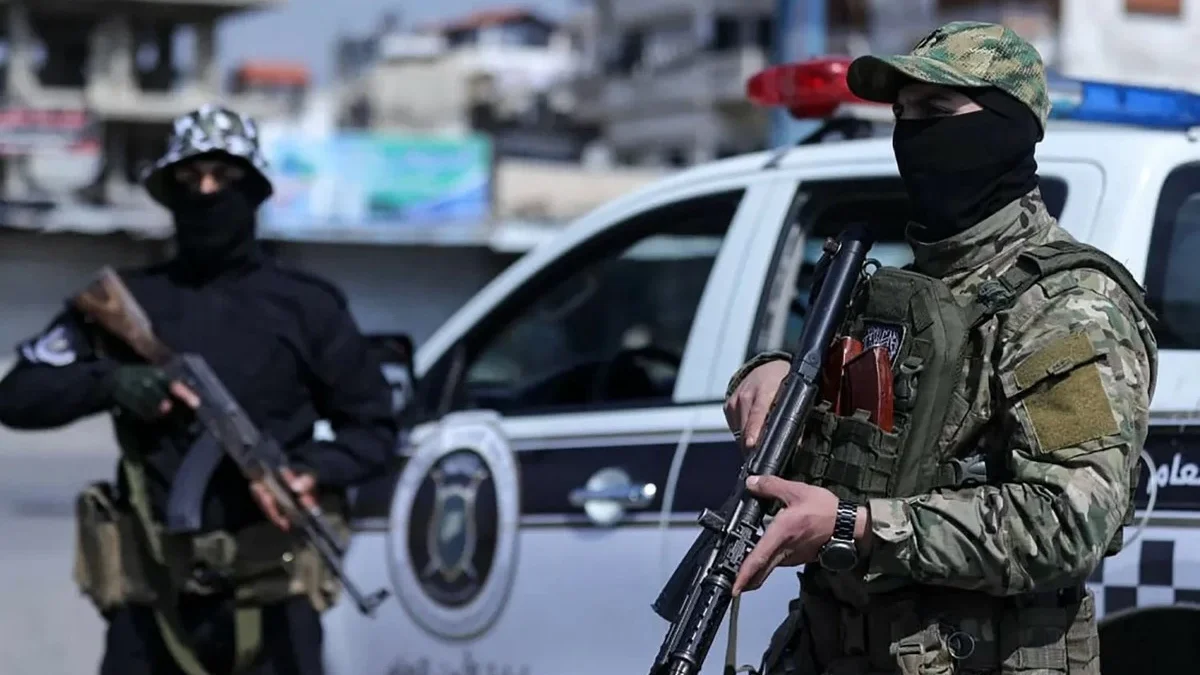
Syrian authorities announced Thursday they successfully intercepted a substantial consignment of sophisticated weapons and missiles crossing the border from Iraq. The shipment, according to the Interior Ministry, was explicitly intended for the Hezbollah terror group operating in Lebanon, marking a significant disruption to regional arms flows.
Details of the Seizure
Security units located a suspicious vehicle near the Iraqi border, leading to its search. Inside, a cache of advanced armaments was discovered, including long-range missiles, anti-tank guided missiles, and numerous fiber optic-guided first-person-view (FPV) drones. These drones, for what it's worth, have been frequently employed by Hezbollah in recent attacks against Israeli forces in southern Lebanon, underscoring the tactical value of the intercepted cargo. Preliminary investigations suggest the weapons were slated to transit Syrian territory before reaching their final destination with Hezbollah.
Read Also
- US Bakes Under 'Heat Dome' as Record Temperatures Fuel Wildfires
- England's New Buildings Risk Overheating Crisis, Experts Warn
- Birds' Ingenious Survival Strategies Amidst Record Heatwaves
- Summer Journey Across Southern England Reveals Landscape Changes Amidst Heatwave
- Bee Supplements Offer Cold Stress Resilience Amid Climate Crisis Study
Regional Implications and Diplomacy
This interception unfolds amidst heightened regional tensions and ongoing diplomatic efforts. US President Donald Trump reportedly discussed combating Hezbollah with Syrian President Ahmed al-Sharaa in June. While Sharaa has repeatedly assured Israel and Western powers of Syria's commitment to reconstruction and stability, ruling out military intervention in the Israel-Hezbollah conflict, such smuggling attempts complicate these assurances. Defense Minister Israel Katz and US Defense Secretary Pete Hegseth recently affirmed continued cooperation against regional developments, with Katz briefing Hegseth on Israeli operations across Syria, Gaza, and Lebanon. The incident, it goes without saying, highlights the persistent challenges in controlling illicit arms transfers across volatile borders.