
United States — Ekhbary News Agency
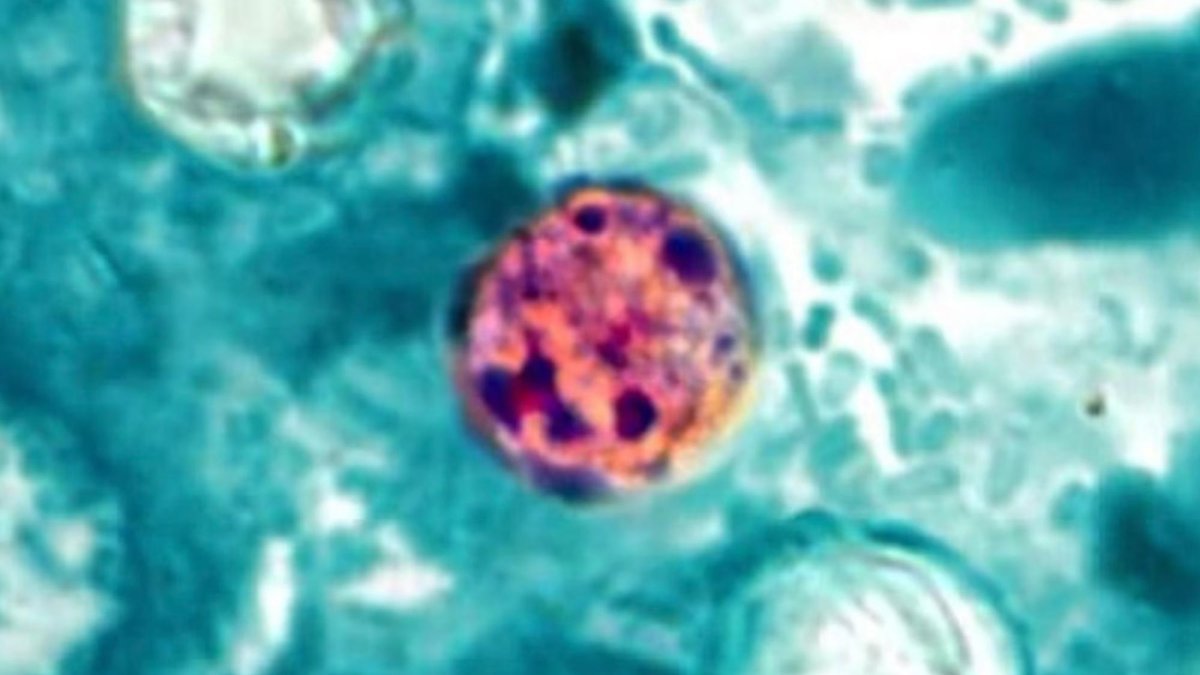
The US is battling a rapidly expanding cyclosporiasis outbreak, a parasitic infection causing severe gastrointestinal distress. Nearly 7,000 potential cases have been identified nationwide, with over 3,300 concentrated in Michigan alone as of Tuesday. State officials have pinpointed tainted lettuce as the likely source of this widespread health concern.
Underdiagnosis Masks True Scope
The actual number of infections is almost certainly far greater than official tallies, for what it's worth. Jeanne Marrazzo, CEO of the Infectious Diseases Society of America, estimates the true case count could be at least double the Centers for Disease Control and Prevention's figures. Many individuals do not seek medical attention for diarrhea, and even when they do, laboratories don't routinely screen for cyclosporiasis, contributing to significant underdiagnosis. Marrazzo notes that milder cases often go unreported, further obscuring the full scale of the problem.
Read Also
- US Bakes Under 'Heat Dome' as Record Temperatures Fuel Wildfires
- England's New Buildings Risk Overheating Crisis, Experts Warn
- Birds' Ingenious Survival Strategies Amidst Record Heatwaves
- Summer Journey Across Southern England Reveals Landscape Changes Amidst Heatwave
- Bee Supplements Offer Cold Stress Resilience Amid Climate Crisis Study
Resistant Parasite, Contaminated Water
Unlike common foodborne pathogens, the cyclospora parasite exhibits resistance to bleach and standard sanitizers used in food manufacturing. Norman Beatty, an associate professor at the University of Florida, explained that its unique mechanisms allow it to embed itself in the crevices of raw produce, particularly lettuce, herbs, and berries. Cooking destroys the parasite, but these items are typically consumed raw. Food poisoning lawyer Bill Marler suggests historical outbreaks were linked to imported produce, but recent years have seen domestic cases. He warns that the parasite's spread is exacerbated by contaminated water supplies used for crop irrigation, posing a persistent threat to public health. The resistance of cyclospora to common disinfectants highlights a critical vulnerability in current food safety protocols, demanding a reevaluation of agricultural and processing standards.