United States — Ekhbary News Agency
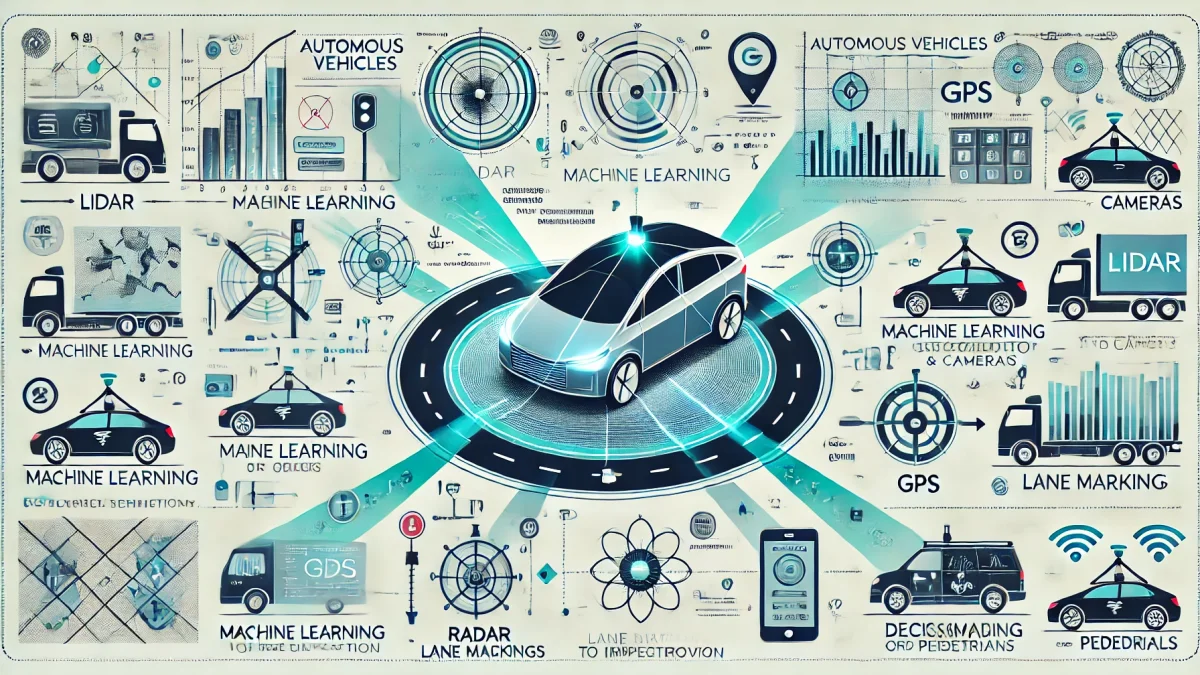
Alphabet's Waymo has significantly expanded its commercial driverless robotaxi service, now offering rides to customers in San Diego, Tampa, Florida, and Denver. This marks the company's first commercial presence in Colorado, solidifying its leading position in the burgeoning U.S. autonomous vehicle market. Concurrently, Amazon-owned Zoox announced plans to begin testing its distinctive "toaster-shaped" vehicles in Houston and San Diego, initially with human safety drivers aboard, a clear sign the robotaxi race is heating up, for what it's worth.
Market Expansion and Future Outlook
Waymo, already operating over 4,000 vehicles across 14 U.S. cities, aims to deploy dozens of robotaxis in these new markets, with intentions to scale to hundreds over time. Passengers will access these services via the Waymo app. The company currently facilitates over 500,000 robotaxi rides weekly and targets reaching one million rides per week by the close of 2026. Goldman Sachs Research projects the U.S. robotaxi market to surge from an estimated $3 billion next year to $19 billion by 2030, potentially reaching $48 billion by 2035.
Read Also
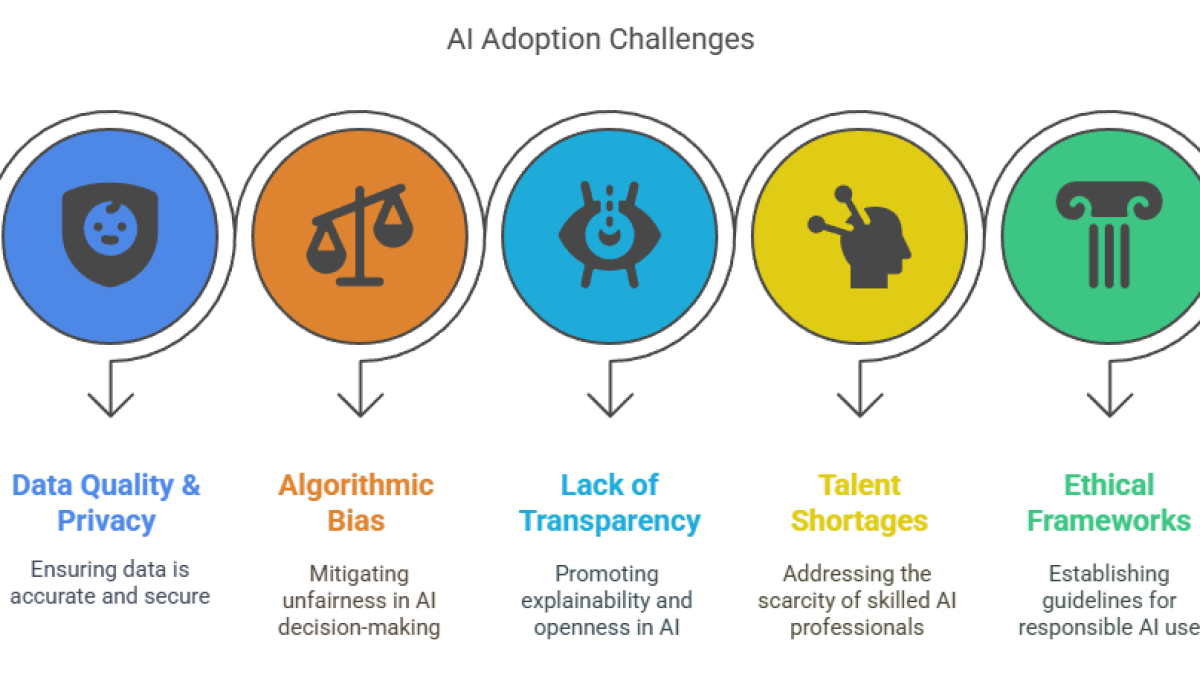
- Investor Paul Kedrosky Questions AI Valuations Amid Revenue Disconnect
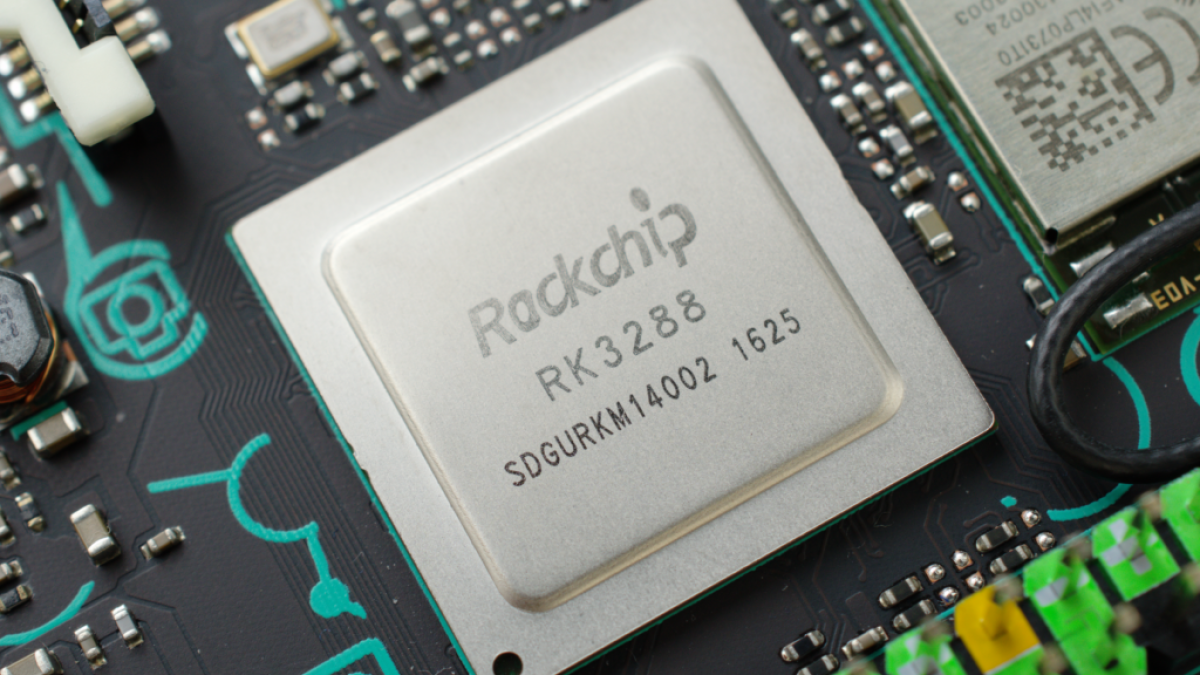
- Hugging Face's Microduck Robot Soars in Sales, Chinese Chip at Core
- Used Cars Under $20,000 Sell Fast, Buyers Face Major Trade-offs
- Duolingo Stock Poised for Rebound Amid Strong AI Product Reception
- Toyota Faces Unprecedented RAV4 Hybrid Demand Amid Limited Supply
Industry Challenges and Broader Implications
While Zoox trails Waymo, with its only paid ride-hailing service active in Las Vegas, its expansion into 12 U.S. markets for testing underscores widespread industry growth. However, this rapid advancement faces scrutiny. Labor leaders voice concerns over potential job displacement in the transportation sector due to autonomous vehicles. Additionally, vehicle safety advocates demand greater transparency from companies regarding mileage and crash data, citing instances where AVs have caused gridlock or required manual intervention by first responders, particularly in adverse conditions. Tesla is also expected to reveal details about its Cybercab and Robotaxi service this Thursday, adding another layer to the competitive landscape.